What Are the Benefits of Using Pp Woven Bags for Packaging?
The use of Pp woven bags is becoming increasingly popular in various industries. These bags are known for their strength and durability, making them ideal for packaging. Businesses benefit from using PP woven bags due to their resistance to moisture and tearing. These bags are made from polypropylene, a material that is both lightweight and robust.
PP woven bags are versatile. They can be used for products ranging from grains to construction materials. This versatility adds to their appeal in diverse sectors. Additionally, these bags can be customized with colors and printing, which helps businesses enhance their branding. While they offer many advantages, it is essential to consider the environmental impact. The potential for recycling is often overlooked, even though it can reduce waste.
Choosing PP woven bags for packaging is a practical decision for many companies. However, reflecting on the long-term effects on the environment is crucial. Balancing business needs with sustainability should always be a priority. The journey of adopting PP woven bags can lead to greater awareness and responsible practices within the industry.
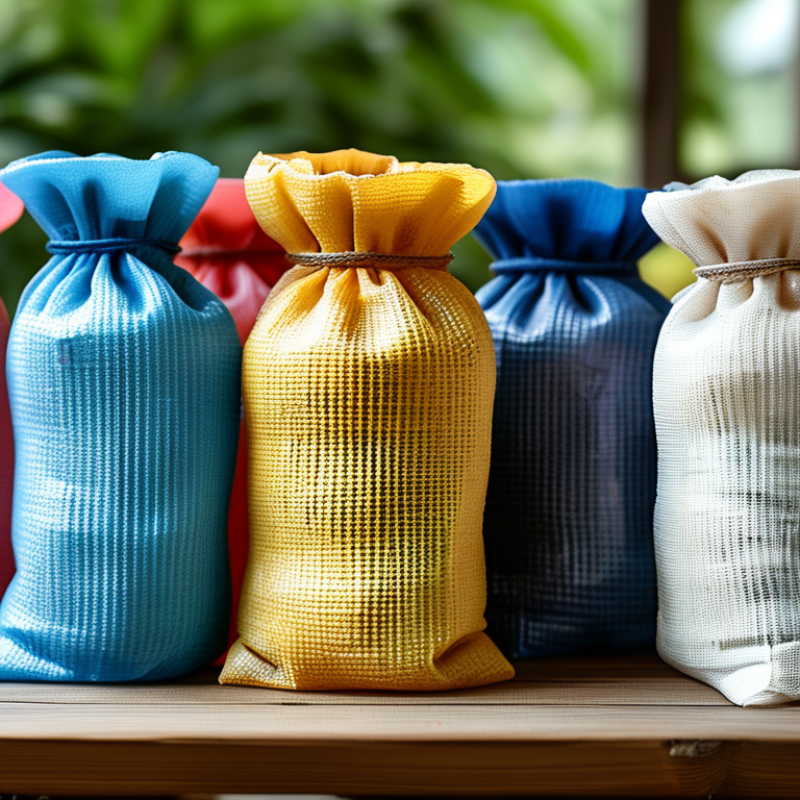
Benefits of Pp Woven Bags for Environmentally Friendly Packaging
PP woven bags are gaining attention as an eco-friendly packaging option. They are made from polypropylene, a recyclable material. This allows for reduced waste, which is crucial for our environment. Unlike single-use plastics, these bags can be reused and recycled multiple times, leading to less landfill accumulation. Their durability ensures that they survive the wear and tear of transport, minimizing the need for replacements.
Using PP woven bags helps businesses present a green image. Consumers are becoming increasingly eco-conscious and prefer sustainable packaging. By choosing these bags, companies can enhance their brand value. However, some may worry about the production process. It’s essential to ensure that their manufacturing adheres to environmental standards. This reflects a commitment to sustainability.
**Tips:** When considering PP woven bags, look for suppliers who prioritize eco-friendly practices. Pay attention to the recyclability of the bags. They should not be a one-time use but an ongoing solution for packaging needs. Additionally, consider local recycling facilities to help reduce transport emissions. Making small changes can lead to significant environmental benefits.
What Are the Benefits of Using Pp Woven Bags for Packaging? - Benefits of Pp Woven Bags for Environmentally Friendly Packaging
| Benefit | Description | Impact on Environment | Durability |
| Recyclable | PP woven bags can be recycled and reused, reducing waste. | Helps decrease landfill contributions. | High durability, lasting through multiple uses. |
| Cost-effective | Lower production costs compared to traditional packaging. | Supports businesses in using sustainable options without high costs. | Strong resistance to wear and tear, suitable for heavy loads. |
| Lightweight | Easier to transport compared to heavier materials. | Reduces carbon footprint during transportation. | Maintains strength despite lightweight design. |
| Versatile | Can be used for various types of products, from agricultural to industrial. | Encourages the use of eco-friendly packaging across multiple sectors. | Durable enough for diverse applications. |
| Water-resistant | Provides protection against moisture and water. | Prevents product degradation in wet conditions. | Stays intact even when exposed to water. |
Durability and Strength Features of Pp Woven Bags
PP woven bags have gained popularity due to their durability and strength. These bags are made from polypropylene, a material known for its resilience. Reports indicate that PP woven bags can withstand weights up to 20% higher than traditional paper bags. Their tear-resistant quality makes them ideal for heavy-duty packaging.
One critical feature is their UV resistance. This property allows bags to maintain integrity even under direct sunlight. In agricultural settings, they protect crops and fertilizers. According to industry studies, more than 70% of agricultural producers prefer PP woven bags for this reason. Additionally, they are lightweight, which reduces shipping costs significantly.
Tip: When using PP woven bags, consider the size and weight limits to avoid material failure. Ensure that bags are properly folded to prevent tears during transportation. Even though these bags are strong, excessive strain can compromise their durability.
The versatility of PP woven bags is another asset. They can be tailored to various shapes and sizes. These bags can serve both industrial and retail purposes. However, it is essential to avoid overloading them. Doing so may result in unexpected ruptures, defeating their benefits. Producing too many variations may lead to waste, which raises sustainability concerns.
Cost-Effectiveness of Pp Woven Bags in Bulk Packaging
PP woven bags have gained popularity in bulk packaging due to their cost-effectiveness. These bags are made from polypropylene, a durable plastic material. They are lightweight yet strong, making them a preferred choice for many industries. When purchased in large quantities, businesses can enjoy significant savings on packaging costs.
The production process of PP woven bags is efficient. This leads to lower prices per unit when ordered in bulk. Companies often find that reducing packaging expenses allows for increased profit margins. Additionally, these bags can be reused and recycled, adding to their long-term value. However, the initial investment in high-quality bags can be a concern for some smaller businesses.
Quality can vary among suppliers, and this is an area that warrants careful consideration. Not all PP woven bags may perform equally under various conditions. Some may not withstand heavy loads or rough transportation, leading to potential losses. Business owners should research suppliers and seek out reliable options to ensure cost-effectiveness does not compromise quality.
Cost-Effectiveness of PP Woven Bags in Bulk Packaging
Versatility of Pp Woven Bags Across Different Industries
PP woven bags have gained traction across various industries, thanks to their versatility and durability. According to a report by MarketsandMarkets, the global market for woven bags is expected to reach $4.3 billion by 2027. This growth is driven by the increasing demand for eco-friendly packaging solutions and the rise of industries like agriculture and construction.
In agriculture, PP woven bags are commonly used for storing grains, fertilizers, and seeds. Their breathable material prevents moisture buildup, ensuring product longevity. A study from the Food and Agriculture Organization highlights that proper storage can reduce food waste by up to 30%. In construction, these bags are used to carry sand, gravel, and other materials, proving their strength and reliability. The resilience of these bags means they can hold heavy loads without tearing, a crucial factor in these demanding fields.
However, there are challenges. Not all PP woven bags are recyclable, and improper disposal can lead to environmental issues. The cost-effectiveness of manufacturing these bags does not always equate to sustainable practices. Businesses must weigh the benefits against potential environmental impacts. In the rush to find economical packaging solutions, it’s vital to reflect on how these choices affect the planet long-term.
Recyclability and Sustainability of Pp Woven Bags in Packaging Solutions
PP woven bags offer significant recyclability, making them a smart choice for sustainable packaging. Made from polypropylene, these bags can be recycled multiple times. This reduces the need for raw materials and minimizes waste. A shift to these bags could help businesses lower their carbon footprint.
Sustainability does not only lie in recyclability. The durability of PP woven bags contributes to this. They last longer than many other packaging options. This longevity ensures fewer replacements and less material waste over time. However, the recycling process can sometimes be challenging in certain regions. It's crucial for companies to ensure proper recycling infrastructure is in place.
While the benefits are clear, there are challenges. Not all consumers are aware of how to recycle PP woven bags. Education is needed to bridge this gap. Adopting these bags is a step towards eco-friendly practices, but responsibility doesn’t end there. Companies must actively promote recycling awareness to maximize the potential benefits.
