Blog
10 Best Child Car Seat Accessories for Global Buyers
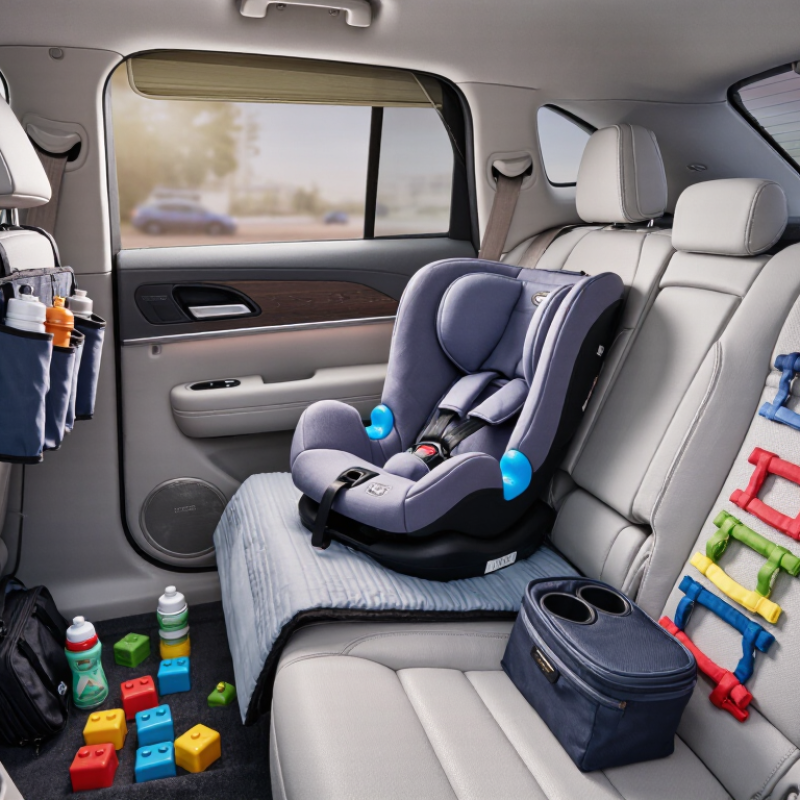
Choosing the right Child Car Seat Accessories can make everyday journeys safer, cleaner, and more comfortable for families worldwide. A well-fitted mirror may improve rear-seat visibility, while a washable protector can catch crumbs, spills, and muddy shoe marks. Small details matter during school runs, airport transfers, and long road trips.
This guide explores ten practical accessories for global buyers. Each option should be judged by fit, material quality, ease of cleaning, and compatibility with the child car seat. Manufacturer instructions remain essential, because an accessory can interfere with harness movement or seat installation. Regional safety requirements also differ, so buyers should check approved standards and local guidance before ordering.
Real-world use often reveals problems that product photos hide. A storage pouch may sag, a sunshade may block ventilation, or a travel bag may tear at its seams. Not every attractive accessory is useful. Some choices remain personal. Reliable products usually provide clear measurements, care instructions, warranty details, and transparent manufacturer information. Independent reviews can help, but they should not replace professional safety advice.
The list focuses on practical value rather than novelty. It considers daily handling, travel demands, cleaning, durability, and the child’s comfort. Buyers should measure their seat, vehicle space, and attachment points carefully. A perfect match is never guaranteed. Careful checking still offers the best starting point.
Child Car Seat Accessories: Purpose, Safety, and Global Buyer Needs
10 Best Child Car Seat Accessories for Global Buyers
Child car seat accessories should solve a clear problem without changing the seat’s safety design. Useful options include washable covers, sun shades, backseat mirrors, travel bags, and small storage organizers. Each item should fit securely and stay away from the harness, buckle, and airbag area. A loose toy or thick cushion can create trouble during sudden braking. Simple is safer.
Safety depends on compatibility. Buyers should check the seat manual before adding any accessory, especially head supports, harness pads, and extra padding. Products should use durable stitching, smooth edges, and materials that resist heat and moisture. Clear installation instructions matter when products cross language and regional boundaries. Look for test information, material details, age guidance, and traceable seller contact details. Marketing claims are not enough.
Global buyers also face different vehicles, climates, and child sizes. A mirror that fits one headrest may wobble in another car. A dark travel cover can become hot under strong sunlight. Measure the seat and vehicle first. Check cleaning instructions and replacement-part availability. In a practical fitting check, every strap should remain visible and reachable. I would still question universal claims. “Fits all cars” sounds convenient, but it rarely explains the real limits. Celsius and Fahrenheit labels can also confuse caregivers. Small details matter.
How to Choose Seat Protectors, Covers, and Installation Aids
Choosing the right child car seat accessories begins with the seat protector. Select a thin, firm protector that matches the seat base and does not touch the buckle. It should resist crumbs, spilled drinks, and heat from long journeys. A thick or soft pad may change how the seat rests on the vehicle cushion. Always check the car seat instructions before using one. Vehicle seats also differ across countries, so measure carefully.
Covers should improve comfort without hiding important labels, harness paths, or adjustment points. Choose breathable fabric for hot climates and a washable layer for muddy travel days. Never use a cover that changes the harness fit or blocks side-impact features. Installation aids need equal care. Approved belt guides, angle indicators, and locking devices can help, but only when the seat instructions allow them. Extra clips are not automatically safer.
Small details matter. The buckle should remain easy to reach. The seat should stay stable after installation. I once underestimated how much a loose protector could shift during repeated loading and unloading. That mistake made the setup look tidy but reduced confidence. A practical check is to inspect the seat after a short drive, then ask a trained child-passenger safety professional to review it when possible. Local manuals and safety requirements should guide every purchase.
10 Best Child Car Seat Accessories for Global Buyers - How to Choose Seat Protectors, Covers, and Installation Aids
| No. | Accessory | Primary Function | Recommended Materials and Features | Typical Compatibility | Key Safety Considerations | Installation Difficulty | Global Buyer Selection Guide |
|---|---|---|---|---|---|---|---|
| 1 | Vehicle Seat Protector Mat | Helps reduce marks, dirt, and minor compression on the vehicle seat beneath a child restraint. | Non-slip lower surface, firm but flexible padding, raised edges, and easy-clean surface. Avoid thick padding under the restraint base. | Most vehicles with bench or bucket seats; check dimensions around the restraint base and vehicle seat contours. | Must not interfere with the restraint’s belt path, ISOFIX/LATCH connectors, support leg, or top tether. Use only when permitted by the car-seat manufacturer. | Easy | Prioritize a thin, compression-resistant design and clear instructions stating that the child restraint must sit firmly on the vehicle seat. |
| 2 | Child Car Seat Cover | Protects the child seat from dust, spills, and light wear during storage or transport. | Breathable fabric, soft seams, washable construction, elastic edging, and openings for approved harness or tether components when required. | Specific seat shapes or universal storage use; measure seat height, width, and depth before purchase. | Remove any storage cover before driving unless it is specifically designed and approved for use while occupied. Never cover harness webbing or alter restraint routing. | Easy | Choose washable materials and distinguish between a storage cover and a crash-use seat cover. Avoid aftermarket replacement covers without manufacturer approval. |
| 3 | Back-Seat Kick Mat | Protects the back of the front vehicle seat from footwear, food, and liquid stains. | Water-resistant fabric, reinforced attachment straps, rounded edges, and pockets that do not become hard impact points. | Vehicles with front-seat headrests; verify strap length and whether the mat obstructs seat-mounted airbags or seat adjustment. | Do not install over seat-mounted airbag deployment areas. Keep pockets flat and prevent loose objects from becoming projectiles. | Easy | Look for adjustable straps, non-toxic materials, and compatibility information for vehicles with integrated headrests or rear entertainment systems. |
| 4 | Seat-Belt Installation Lock-Off Aid | Helps maintain correct tension when a child restraint is installed with the vehicle seat belt. | Only use a lock-off supplied with or approved for the specific child restraint; components should be durable, smooth, and clearly marked. | Seat-belt-installed child restraints that expressly support a lock-off accessory. | Do not use a generic clamp unless the child-restraint manufacturer permits it. The belt must follow the correct belt path and remain locked according to the vehicle and restraint instructions. | Moderate | Confirm approval for the exact restraint model and local market. A lock-off does not replace correct routing, tightening, or vehicle belt-locking procedures. |
| 5 | ISOFIX or LATCH Guide Cups | Guide connectors toward vehicle anchorage points and reduce difficulty locating recessed anchors. | Rigid, smooth, heat-resistant polymer with a shape that matches the vehicle anchor opening. | Vehicles equipped with ISOFIX, LATCH, or compatible lower anchors; connector geometry varies by vehicle and restraint. | Use only when supplied or approved by the child-restraint manufacturer. The guide must not remain incorrectly positioned between the connector and anchorage. | Easy | Check the vehicle manual and restraint manual because ISOFIX and LATCH terminology, anchor limits, and installation requirements differ by market. |
| 6 | Top-Tether Strap Adjuster or Extension | Provides additional reach or adjustment for an approved top-tether installation. | High-strength webbing, corrosion-resistant hardware, clear adjustment markings, and manufacturer-specified load capability. | Forward-facing child restraints and vehicles with approved top-tether anchorage points. | Only use an extension or adjuster approved for the exact child restraint and vehicle arrangement. Never attach to luggage hooks or an unapproved anchor. | Moderate | Verify anchor location, routing, and regional requirements. A tether accessory must not substitute for a required lower-anchor or seat-belt installation. |
| 7 | Harness Buckle and Chest-Clip Cover | Improves comfort and helps reduce contact with clothing or skin around the harness area. | Soft, breathable, washable fabric with a slim profile and secure attachment that does not obstruct the buckle or chest clip. | Harness-equipped infant, convertible, and booster seats, subject to manufacturer approval. | It must not change harness tightness, raise the chest clip, block the buckle release, or add padding behind the child. Remove if it affects the harness fit. | Easy | Choose low-bulk designs and confirm that the accessory is approved for use with the restraint rather than only marketed as universal. |
| 8 | Sunshade for Side or Rear Windows | Reduces direct sunlight and glare for passengers in the rear seating area. | Mesh fabric, secure suction cups or static-cling film, unobstructed visibility, and quick-removal design. | Most side windows; dimensions and attachment methods vary by window shape and tinting. | Do not obstruct the driver’s view, emergency visibility, or side-airbag deployment zones. Secure loose parts and follow local window-tint regulations. | Easy | For international distribution, offer several sizes and clearly state whether the product is suitable for fixed, sliding, or curved windows. |
| 9 | Child Seat Installation Mat and Kneeling Pad | Provides a clean, more comfortable surface for caregivers during seat installation and inspection. | Foldable, water-resistant foam or fabric, non-slip underside, reinforced seams, and compact storage size. | Universal use during installation of infant carriers, convertible seats, and boosters. | The pad is for the installer’s knees and must be removed before driving if it sits beneath or around the child restraint. It must not be used as a base unless approved. | Easy | Useful for professional fitting services and families who frequently move restraints between vehicles; select a material that resists moisture and cleaning chemicals. |
| 10 | Installation Check Mirror | Allows a driver to monitor a rear-facing child without turning around. | Shatter-resistant construction, secure headrest straps, adjustable angle, and a low-profile frame. | Vehicles with a visible rear headrest and a rear-facing child restraint; test clearance before use. | It must be tightly secured, must not detach during sudden braking, and must not obstruct the driver’s rear view. Do not use if it contacts the child or restraint. | Moderate | Use only when the driver retains adequate visibility. Check whether the vehicle has active headrests, unusual seat geometry, or restricted rear visibility. |
Selection note: Child-restraint accessories can affect harness fit, belt routing, anchorage access, and airbag clearance. Buyers should always follow the vehicle owner’s manual and the child-restraint manufacturer’s instructions, and confirm applicable requirements in the destination market.
Travel-Friendly Accessories for Comfort, Storage, and Protection
The best child car seat accessories solve small travel problems without weakening restraint performance. NHTSA’s Traffic Safety Facts reports that child restraints reduce fatal injury risk by 71% for infants and 54% for toddlers in passenger cars. Accessories must support the seat, not compete with it.
Useful choices include a padded travel bag, washable seat protector, rear-view mirror, retractable sun shades, and a slim back-seat organizer. Check every item against the seat manufacturer’s instructions.
Comfort matters during long transfers. A breathable harness cover, child-sized neck pillow, spill-resistant snack cup, insulated bottle holder, and soft footrest can reduce heat, clutter, and complaints. Choose smooth fabrics that wash easily.
Avoid bulky inserts or aftermarket padding beneath the child, because they may change harness fit. The American Academy of Pediatrics recommends keeping harness straps snug, with no slack at the shoulders. Small details matter.
Protection also includes visibility and organization. A luggage tag with emergency contacts can help during busy airport transfers. A seat protector should not block lower anchors or allow movement. I still recheck the harness after every stop.
Travel fatigue makes simple mistakes easier. The U.S. Federal Aviation Administration advises using approved child restraint systems during flights, where permitted. Airport wheels, loose toys, and overloaded organizers can create distractions.
Less equipment may sometimes be safer.
Climate-Specific Add-Ons for Infants and Toddlers
Global buyers need child car seat accessories that match local weather, not just attractive packaging. The World Meteorological Organization’s State of the Global Climate 2023 reported record global heat, making airflow and sun protection practical concerns. For infants, choose a thin, washable, breathable liner approved for the seat. It should not sit behind the child’s back or alter harness positioning. A well-fitted UV shade can reduce glare, but it must not block the driver’s view.
Hot climates need careful details. A rear-seat temperature monitor, reflective window shade, and moisture-wicking cover can help caregivers notice discomfort sooner. Never place loose cooling packs against an infant’s skin. They can become too cold, leak, or distract from proper restraint use. NHTSA data indicates correctly used restraints reduce fatal injury risk by 71% for infants and 54% for toddlers. That statistic makes compatibility more important than convenience.
Cold regions need different accessories. A harness-compatible winter cover is safer than a bulky coat under the straps. Warm socks, soft mittens, and a removable foot cover can preserve comfort without compressing the harness area. Still, product labels are not always clear across markets. I would check the seat manual, measure the child, and perform a real buckle test before travel. Small mistakes happen. Loose fabric remains a serious one.
International Buying Checks: Compatibility, Standards, and Maintenance
For global buyers, child car seat accessories must fit both the seat and the vehicle. Compatibility starts with the seat model, installation method, harness route, and headrest shape. An accessory that clips on easily may still block a belt, loosen a strap, or affect side protection. Check the vehicle manual and the seat manual together. Measure twice. Do not guess.
Standards also vary by market. Look for clear approval markings required in the destination country, such as current child restraint regulations and test references. A familiar-looking label is not enough. Ask the seller for installation instructions, material details, and recent compliance information. Avoid accessories that alter the seat shell, harness, buckle, or impact-absorbing parts. Seat-back organizers, mirror systems, sun shades, and protective mats need careful placement around airbags and moving belts. Some products are advertised as universal, but “universal” often means limited.
Maintenance affects safety over time. Inspect clips, stitching, buckles, elastic, and plastic after every trip. Clean fabric according to the manufacturer’s instructions, since harsh chemicals can weaken fibers or remove labels. Replace damaged or heat-deformed parts. Keep purchase records and check recalls through official transport or consumer-safety authorities. I have found that convenience can encourage poor habits, especially when an accessory makes the harness harder to see. Remove anything that creates slack, pressure, or confusion. If instructions conflict, pause and seek qualified local guidance rather than improvising.