Top Garden Hand Tools for Every Gardening Need?
Gardening is becoming a practical daily activity, not merely a weekend hobby. The 2024 National Gardening Survey reports that 80% of U.S. households participated in lawn and garden activities in 2023, spending approximately $52.3 billion. That scale reflects a serious demand for reliable equipment, including Garden Hand Tools that support planting, pruning, weeding, cultivating, and harvesting.
Yet choosing the right tool is rarely simple. A narrow trowel may work beautifully in loose potting mix but struggle in compacted clay. Bypass pruners can make clean cuts on living stems, while anvil pruners may suit dry, woody growth better. Small differences matter. Handle diameter, grip texture, blade quality, weight, and maintenance can change both comfort and control.
The Royal Horticultural Society consistently emphasizes practical gardening techniques, soil awareness, and sustainable plant care. These principles also shape responsible tool selection. A durable steel hand fork may reduce replacement waste, while a lightweight cultivator can help gardeners work longer with less wrist strain. However, no tool fits every gardener or every soil type. That is worth admitting.
This guide examines top Garden Hand Tools for specific gardening needs, using practical experience, recognized horticultural guidance, and careful product considerations. It will compare function rather than rely on attractive packaging. Expect useful details, but not perfect answers. Your garden’s soil, plants, climate, and physical comfort should influence the final choice.
Essential Hand Tool Categories for Different Gardening Tasks
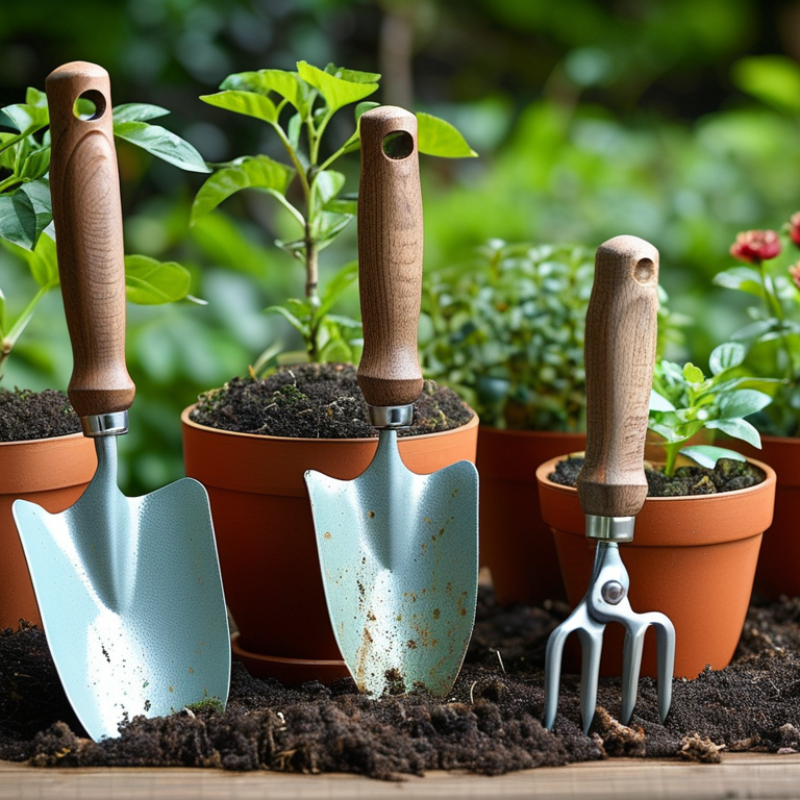
Choosing garden hand tools by task makes daily work safer and more efficient. Digging tools include a hand trowel, transplanting trowel, and narrow dibber. A broad trowel moves loose compost, while a narrow blade fits between crowded seedlings. I check soil moisture before digging. Wet clay can cling heavily and damage young roots. A firm handle matters more than a polished appearance.
Cutting tools serve different plant tissues.
Bypass pruners make clean cuts on living stems, while a small knife suits careful grafting or harvesting. Use loppers only when branches exceed pruner capacity. Clean blades between plants, especially after removing diseased growth. I sometimes choose a tool that feels convenient but is too large for the branch. That mistake leaves crushed edges. Sharpening helps, yet over-sharpening can make control difficult.
Cultivation tools include a hand fork, weeder, and small hoe.
The fork loosens shallow soil around roots without turning the whole bed. A weeder works best when weeds are young and the ground is slightly damp. For watering, a narrow-spout can directs moisture toward the soil instead of foliage. Harvesting needs may call for snips, a digging fork, or a soft basket. Gloves protect skin, but they can reduce fingertip sensitivity. I remove them for delicate seedlings, then regret it after finding a thorn. Wipe tools dry before storage, because small rust spots grow quietly.
How to Choose Tools for Soil Preparation and Planting
Top garden hand tools should match the soil, not merely the plant list. Begin by testing moisture and texture with your fingers. If soil forms a sticky ribbon, wait before digging. Working wet soil can create lasting compaction. I learned this after turning a neat bed into hard, cracked blocks.
Choose a narrow trowel for seedlings and a broad transplanting trowel for larger root balls. A digging fork loosens dense ground with less smearing than a spade. For shallow cultivation, use a hand cultivator with sturdy, spaced tines.
The USDA Natural Resources Conservation Service reports that a one-percent increase in soil organic matter can help soil hold about 20,000 gallons of water per acre. That figure supports gentle cultivation, compost use, and fewer unnecessary passes.
Tool weight matters during repeated planting. Select handles that allow a relaxed wrist and a full grip. The National Institute for Occupational Safety and Health recommends reducing awkward postures and repetitive force, principles that apply to garden work. Clean soil from blades after use, then dry them before storage. Simple, but often missed.
For containers, choose a narrow scoop; for raised beds, choose tools with longer handles.
I still prefer a heavier fork for clay, although it tires my shoulder sooner. That trade-off deserves honest attention.
Test each tool for balance, reach, and control before buying several.
Pruning, Trimming, and Cutting Tools for Healthy Growth
Healthy plants often begin with clean, precise cuts.
A bypass pruner suits green stems and young branches because it reduces crushing. Choose a narrow blade for crowded growth. It can reach between leaves without damaging nearby buds. Before cutting, check the stem’s direction and locate an outward-facing bud. New growth will usually follow that path.
For thicker limbs, use loppers with strong, comfortable handles.
Their extra leverage reduces wrist strain and improves control. A pruning saw works better on mature branches that resist ordinary cutters. Do not force the blade. Let steady strokes create the cut.
I once used a small pruner on a woody branch, and the bent blade taught me an expensive lesson.
Tool choice matters more than speed.
Sharp tools make cleaner wounds and may help plants recover more evenly.
Wipe blades with disinfectant between plants, especially after cutting damaged tissue. Keep hinges lightly lubricated, but remove excess oil before handling stems. Make cuts just outside the branch collar, not flush against the trunk. Avoid leaving long stubs, which can dry out and invite decay.
I still occasionally cut too close when working quickly. That mistake deserves reflection.
Good pruning requires patience, clear visibility, and tools matched to the branch.
Hand Tools for Weeding, Cultivating, and Garden Maintenance
A productive garden rarely needs a large collection of hand tools. It needs a few dependable tools matched to the soil and plants. A narrow hand trowel helps transplant seedlings without disturbing nearby roots. Choose one with clear depth markings and a firm, comfortable grip. I prefer stainless steel heads because wet soil rinses away easily. The handle should feel balanced after several minutes of digging. Not glamorous, but important.
For weeding, a sharp hoe removes young weeds just below the soil surface. A slim weeding fork works better around carrots, herbs, and other closely planted crops. Pull taproots gently, or broken roots may return after rainfall. A three-pronged cultivator loosens crusted soil and improves airflow near plant stems. Use light pressure. Deep scraping can damage fine feeder roots and beneficial soil life. I have made that mistake in crowded beds.
Garden maintenance also depends on small, repeated tasks. Hand pruners shape soft stems, remove dead growth, and improve air circulation. They should cut cleanly rather than crush the branch. A hand rake gathers leaves from containers and narrow paths. Clean soil from tools after use, dry the metal, and lightly oil moving joints. Sharpening matters too, although I often postpone it longer than I should. Store every tool where moisture cannot quietly cause rust.
Tool Materials, Ergonomics, Safety, and Long-Term Care
Choosing garden hand tools starts with material, not appearance. Forged steel handles hard soil well and resists bending under pressure. Stainless steel resists rust, though its edges may still dull. Look for smooth joints, secure rivets, and handles without cracks. Grip matters. A balanced tool reduces wrist strain during repeated planting or weeding.
Ergonomics becomes obvious after an hour outdoors. A broad, slightly curved handle can reduce pressure across the palm. Choose a length that keeps your wrist nearly straight. Small tools should feel controlled, not slippery, when your hands are damp. Wear fitted gloves, eye protection when cutting, and sturdy shoes around sharp edges. Keep blades pointed away from your body. Never leave tools hidden in grass.
Long-term care protects both performance and safety. Remove soil with a stiff brush before storing tools indoors. Dry tools thoroughly. Wipe steel surfaces with a light protective oil, especially after wet work. Sharpen pruning blades with steady, small strokes, following the original bevel. Clean cuts help plants recover more efficiently. Disinfect blades between diseased plants, using an appropriate household disinfectant as directed. I still occasionally forget this step during busy planting days. That mistake can spread problems. Keep it simple: clean, dry, inspect, and store. Once, I ignored a loose handle until it failed mid-task, so I now check every tool before use.
Top Garden Hand Tools for Every Gardening Need
Tool materials, ergonomics, safety, and long-term care
The chart uses generalized practical ratings from 1 to 5 based on common tool characteristics. Stainless-steel tools typically resist corrosion well, carbon-steel tools can provide strong cutting performance but need more drying and oiling, and tools with cushioned non-slip grips generally improve comfort and control.