Top Trenching Tools for Global Buyers
Choosing the right Trenching Tools requires more than comparing prices or browsing impressive product photographs. Global buyers must match each tool with soil conditions, trench depth, project scale, and local equipment practices. A compact trencher may perform well in soft garden soil, yet struggle in compacted clay or gravel. Field experience often reveals details that brochures overlook, including vibration, maintenance access, cutting-chain wear, and operator visibility.
This guide examines practical trenching equipment for contractors, utility teams, landscapers, and infrastructure buyers. It considers walk-behind trenchers, ride-on machines, attachments, cutting chains, blades, and supporting accessories. Each category is assessed through working performance, transport needs, fuel or power requirements, service support, and documentation quality. Reliable suppliers should provide clear specifications, operating instructions, replacement-part information, and evidence of quality control. Certification matters, but it should be verified against the buyer’s region and intended application.
Small details can decide the purchase.
A narrow chain may create cleaner cable channels, while a stronger boom may suit demanding ground. Buyers should also examine noise levels, guarding, emergency controls, and training requirements before ordering. These points support safer and more consistent work. Still, no comparison is perfect. Soil changes across one site, and advertised productivity may depend on skilled operators, ideal weather, and regular maintenance. That limitation deserves attention. The best Trenching Tools are not always the largest or most powerful models. They are tools that fit the work, meet accepted safety expectations, and remain supportable after delivery. This overview helps international buyers make a more informed, evidence-based decision.
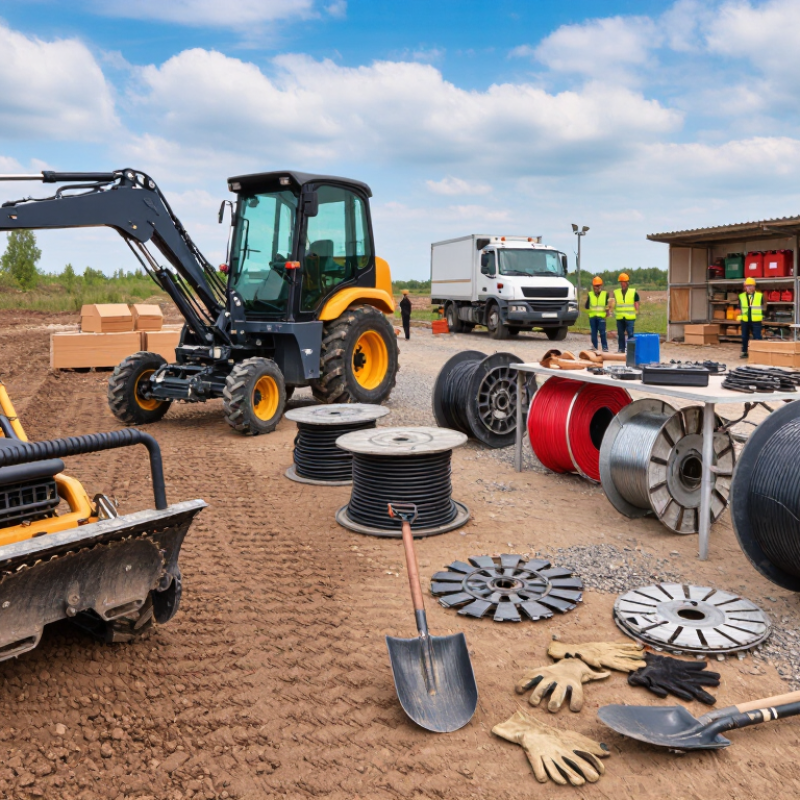
Trenching Tools: Purpose, Structure, and Core Functions
Top Trenching Tools for Global Buyers
Trenching Tools: Purpose, Structure, and Core Functions
Trenching tools create narrow channels for cables, pipes, drainage systems, and irrigation lines. Their value depends on soil conditions, trench depth, and project scale. A compact machine suits restricted sites, while a larger unit handles longer runs and harder ground.
Most trenchers include a power source, drive system, cutting chain or wheel, boom, spoil auger, and operator controls. The cutting assembly breaks the soil. The boom sets the working depth. The auger moves loosened material away from the trench edge. Guards, emergency stops, and stable controls reduce operational risks, but they cannot replace trained supervision.
During site inspections, I check whether the machine matches the actual soil, not the sales description. Dry clay can overload a cutting chain. Gravel may wear teeth quickly. Wet ground can collapse after cutting. A buyer should examine adjustable depth, tooth availability, maintenance access, transport width, and noise levels. These details affect daily productivity more than impressive engine figures.
There is no universal trenching solution. A narrow trench may improve material use, yet poor spoil placement can block access. Operators should verify local safety requirements, utility locations, and ground stability before work begins. Product data can guide selection, but field testing remains necessary. Sometimes the smaller tool performs better.
Major Trenching Tool Types and Their Best Applications
Top Trenching Tools for Global Buyers
Major trenching tool types suit different ground conditions, depths, and project risks.
Chain trenchers cut narrow, continuous channels for irrigation, fiber, and low-voltage utilities. They work well in compact soil, but their teeth struggle in rocks.
Wheel trenchers use a toothed cutting wheel and maintain a clean profile in harder ground. They often suit roads and urban utility corridors where production speed matters.
Microtrenchers create shallow slots, commonly for communications cables beneath paved surfaces. Their smaller width reduces restoration work, though inaccurate depth control can damage existing services.
Rock trenchers use heavy-duty cutters for limestone or fractured ground. Excavator-mounted trenching attachments offer flexible reach around foundations, drainage lines, and uneven sites.
The right choice depends on soil tests, utility maps, required depth, and daily output—not only engine power.
Grand View Research’s 2024 Trenchers Market report forecasts steady global growth through 2030, supported by utility expansion and agricultural drainage projects. The report also highlights compact equipment demand in restricted work areas.
Safety data deserves equal attention. OSHA identifies cave-ins as the primary trench hazard and requires protective systems for most excavations five feet or deeper.
A useful field habit is checking spoil piles, water entry, and trench walls after weather changes. It is easy to overvalue cutting speed.
In practice, tooth wear, operator visibility, and service access may decide the real cost. Even experienced crews occasionally select a powerful machine that is simply too wide.
Key Performance Factors for Comparing Trenching Equipment
Top Trenching Tools for Global Buyers
Key Performance Factors for Comparing Trenching Equipment
Choosing trenching equipment requires more than checking maximum digging depth. Field experience shows that soil conditions often change within one worksite. A tool that performs well in dry loam may struggle in compacted clay or gravel. Compare digging depth, trench width, chain speed, cutting force, and hydraulic efficiency. These figures reveal how quickly the machine can create a clean trench. Operator visibility also matters. Clear controls reduce errors around existing utilities and uneven ground.
Transport size deserves attention too. A compact trencher may reach narrow areas, while a heavier model can offer better stability and productivity. Check fuel use, attachment access, service intervals, and replacement-part availability in the target region. I once focused too heavily on cutting speed and underestimated maintenance time. That decision looked efficient on paper, but daily cleaning reduced actual output. No comparison is perfect. Real soil tests remain valuable.
Tips: Request a sample trench before purchase. Measure depth consistency, spoil placement, vibration, and recovery after hitting dense soil. Ask operators to inspect controls and maintenance points. Review performance over several hours, not just during a short demonstration. Keep a simple record of fuel use and downtime. Small details often expose large operating costs.
How to Select Trenching Tools for Different Soil Conditions
Top Trenching Tools for Global Buyers
How to Select Trenching Tools for Different Soil Conditions
Tool selection should begin with soil, not engine power. The FHWA Geotechnical Engineering Circular No. 5 recommends classifying materials before excavation. Sandy soil collapses easily and drains quickly. Use narrow, low-disturbance cutters with controlled digging speed. Clay needs stronger digging force, but wet clay can stick to chains and wheels. Scraper-style teeth may reduce clogging.
Gravel and cobbles demand hardened teeth and a rigid cutting system. A wheel trencher often handles dense, rocky layers more consistently than a chain unit. For weathered rock, verify torque, tooth spacing, and the machine’s rated digging depth. OSHA identifies cave-ins as the primary trenching hazard, especially in unstable ground. Never treat a powerful tool as a substitute for protective systems.
Mixed fill is harder to predict. It may contain concrete fragments, loose sand, or buried timber. The USDA NRCS Web Soil Survey and local geotechnical reports can reveal changing layers before purchase. Field experience matters here. I have selected tools too quickly after testing only dry soil. That was a mistake. A short trial trench, moisture check, and spoil inspection often reveal more than a brochure. Keep spare teeth available. Soil conditions change within a few meters.
Top Trenching Tools for Global Buyers
How to Select Trenching Tools for Different Soil Conditions
Tool selection depends on soil cohesion, abrasiveness, moisture and the presence of gravel or rock.
Chain trenchers are generally effective in loose to moderately cohesive soils, while wheel trenchers
are better suited to dense, abrasive ground. Rock saws or rock wheels are required for heavily cemented
soils and weathered rock. The ratings below are indicative planning scores from 1 (poor suitability)
to 5 (excellent suitability); actual performance should be confirmed through a site investigation.
Global Buying Considerations: Standards, Logistics, and Support
Top Trenching Tools for Global Buyers
Global buyers should assess trenchers, compact excavators, and hydraulic attachments beyond cutting speed. ISO 20474-1 provides safety principles for earth-moving machinery. Local conformity rules may add electrical, noise, or operator-training requirements. Request test certificates, guarding details, and manuals in the destination language. A tool that performs well in dry soil may struggle in wet clay. Soil changes everything.
Logistics deserves equal attention. UNCTAD reports that over 80% of global merchandise trade by volume moves by sea. Therefore, buyers should confirm crate dimensions, lifting points, corrosion protection, and customs documents before payment. The World Bank’s Logistics Performance Index 2023 evaluates customs, infrastructure, shipment arrangements, tracking, and timeliness. These factors affect delivery more than a low quoted price. Check the actual port route.
Support is often underestimated. The Global Infrastructure Hub projected worldwide infrastructure needs of about 94 trillion dollars through 2040, with an estimated 18 trillion dollar investment gap. This suggests continuing demand for efficient excavation equipment, but not every market has trained technicians. Ask about remote diagnosis, spare-part lead times, service diagrams, and warranty response. Keep critical wear parts locally when possible. Small delays become expensive.
A checklist can still miss reality. One trial trench, reviewed by an experienced operator, may reveal more than polished specifications.