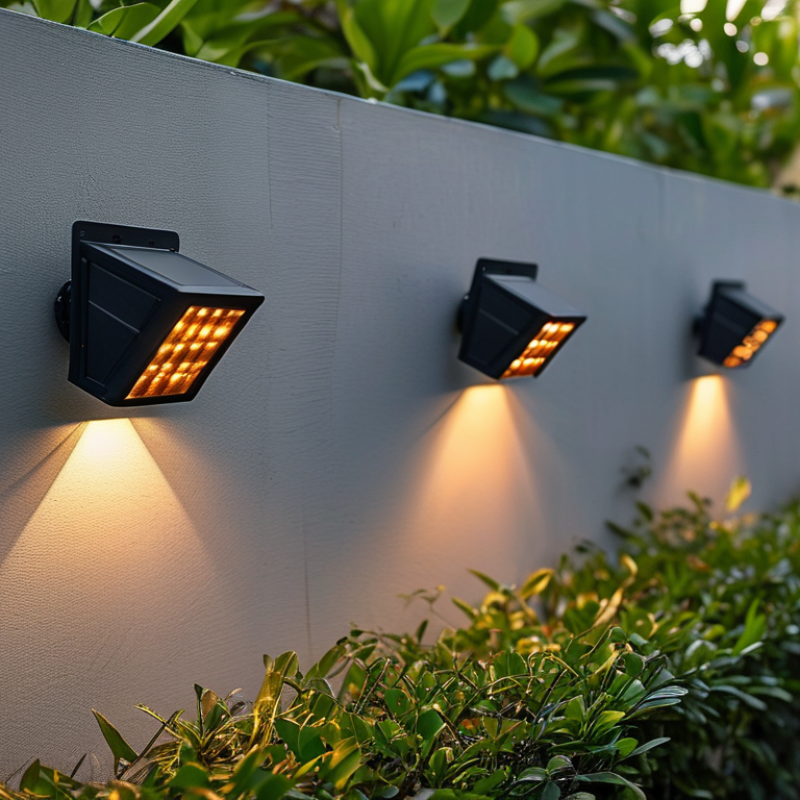
How to Choose the Best 4 Head COB LED Solar Wall Light?
Choosing the right lighting for your outdoor space can be challenging. A 4 Head COB LED Solar Wall Light can illuminate your home effectively. However, not all options are created equal. Understanding your specific needs is crucial.
Solar wall lights, especially those with multiple heads, provide broad illumination. The COB technology ensures brighter and more efficient lighting. Consider factors like brightness, battery life, and durability. Checking consumer reviews can offer insights into real performance.
Sometimes, these lights may not meet expectations. Some users report issues with durability or battery efficiency over time. Reflecting on these factors will aid your decision-making. Investing in a reliable 4 Head COB LED Solar Wall Light can enhance security and aesthetics for your property.
Understanding COB LED Technology and Its Benefits
COB (Chip on Board) LED technology is gaining popularity in outdoor lighting. COB LEDs consist of multiple tiny chips mounted closely together on a single board. This design creates a more uniform light output. It also enhances brightness while maintaining energy efficiency. For solar wall lights, this technology delivers powerful illumination without relying heavily on batteries.
One major benefit of COB LED lights is their durability. They can withstand various weather conditions. Unlike traditional bulbs, COB LEDs have a longer lifespan, which means fewer replacements over time. This feature is particularly important for outdoor lighting, where maintenance can be tricky. Enhanced heat dissipation in COB technology also leads to less energy wastage.
When selecting solar wall lights, consider factors like brightness and design. Look for models with adjustable settings. This allows you to tailor brightness levels to specific needs. Pay attention to material quality and ensure the lights can resist UV damage.
Check the solar panel efficiency too. A good solar panel will charge faster, providing reliable nighttime illumination. Don't forget to explore installation options. Keeping a flexible approach to placement can improve the overall effectiveness of the lights. Always reflect on how your choices align with your outdoor space requirements.
Key Features to Look for in 4 Head Solar Wall Lights
When selecting a 4 head COB LED solar wall light, several key features deserve attention. Brightness is crucial; a higher lumen output typically indicates better visibility. Most quality models emit around 1200 to 1600 lumens. This brightness can effectively illuminate large areas, enhancing safety and security outdoors.
Solar panels should be efficient and durable. Research shows that monocrystalline panels are superior, offering 20% or more efficiency compared to polycrystalline ones. This means they convert sunlight into energy more effectively, ensuring adequate power even on cloudy days.
Look for adjustable brightness settings. Many users appreciate the ability to control intensity based on their needs. However, some designs may lack this feature, leading to frustration. Waterproof ratings and sturdy construction are equally vital. A good waterproof rating, like IP65 or higher, protects against rain and dust, ensuring longevity in various climates. Addressing these factors will enhance your satisfaction with the product.
Comparison of Key Features in 4 Head COB LED Solar Wall Lights
Evaluating Brightness and Lumens for Optimal Outdoor Lighting
When evaluating head COB LED solar wall lights, brightness is crucial. Brightness is measured in lumens. A higher lumen output means a brighter light. For outdoor use, consider lights with at least 500 lumens. This level is suitable for illuminating pathways and backyards.
Look at the features that affect brightness. Color temperature also plays a role. Warmer temperatures (2700K-3000K) create a cozy atmosphere. Cooler temperatures (5000K-6500K) provide a more natural daylight effect. Both options have distinct benefits depending on your needs.
It’s important to match lumens to the area you want to light. A large space may require multiple lights. Each light may not meet the total brightness needed. Think about whether the installation location gets direct sunlight. Shadows can impact the solar charging efficiency. Test out different placements if possible.
Assessing Solar Panel Efficiency and Battery Life
When selecting a 4 Head COB LED Solar Wall Light, solar panel efficiency and battery life are crucial factors. Solar panels convert sunlight into electricity. The efficiency rating of solid solar panels typically ranges from 15% to 22%. A higher efficiency rating ensures more energy is captured on cloudy days. For instance, research indicates that upgrading to a more efficient solar panel can increase energy output by nearly 30% over time.
Battery life is equally important. The best solar lights utilize lithium-ion batteries. These batteries can charge quickly and last longer, providing reliable performance. Battery capacity, measured in ampere-hours (Ah), is a key indicator. For instance, a battery with a capacity of 2000mAh can power a light for several hours depending on the wattage. However, many products on the market may fall short of these standards. It's essential to assess the manufacturer's specifications.
Consider that even high-quality solar lights face challenges. Poor weather can lead to decreased performance. Additionally, dirt and debris on solar panels can hinder energy absorption. Regular maintenance is often overlooked. This oversight can significantly reduce the effectiveness of solar lights. Proper assessment and attention to these details ensure better long-term satisfaction with your solar lighting solution.
Comparing Design and Durability for Different Climate Conditions
When selecting a 4 head COB LED solar wall light, it's crucial to consider its design and durability against various climate conditions. Different environments put unique stressors on materials. For example, coastal areas experience high humidity and salt air, which can corrode metals. In comparison, arid regions can lead to fading and cracking of plastic components due to intense UV exposure.
A report from the Solar Energy Industries Association indicates that proper UV resistance can extend the lifespan of solar lights. Most quality solar wall lights last between 5 to 15 years, depending on their material composition. Investing in well-designed units, crafted from corrosion-resistant metals or high-grade plastics, can ensure durability in harsh climates.
Tip: Look for fixtures with IP65 or higher ratings. This indicates they can withstand dust and water exposure. A simple test is to check for manufacturer warranties. Longer warranties often signify confidence in durability.
While aesthetics are important, they should not overshadow functionality. A beautifully designed light might not perform well under rain or snow. Research can help balance style with practicality, ensuring your solar lights endure.