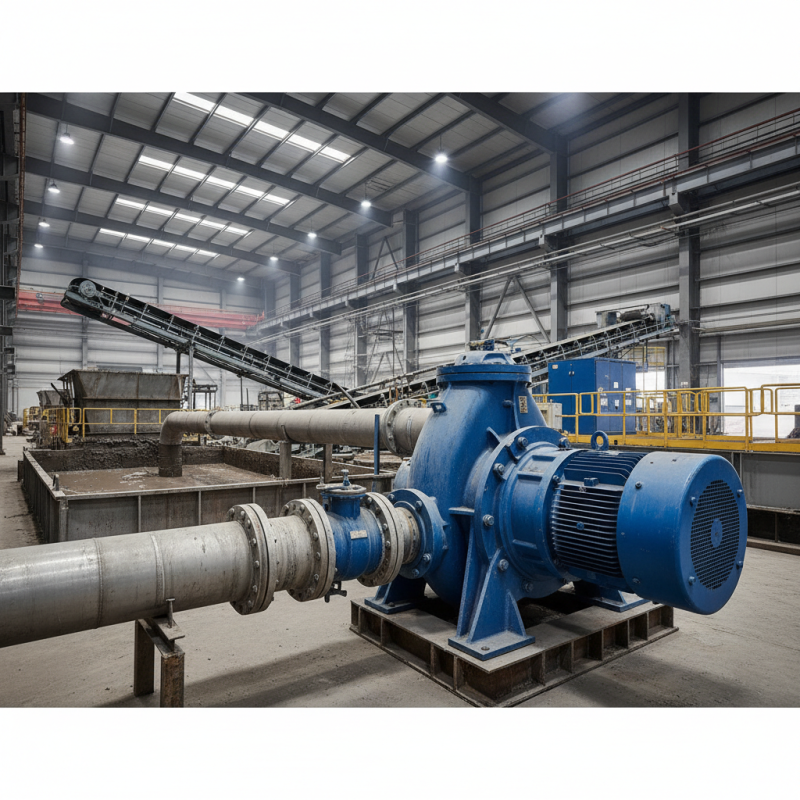
How to Choose the Best Heavy Duty Slurry Pump for Your Needs
Choosing the right heavy duty slurry pump is crucial for many industries. These pumps handle tough materials, making them essential for tasks like mining and construction. The right pump can significantly improve efficiency and reduce maintenance issues.
When selecting a heavy duty slurry pump, consider its material and design. Different pumps suit different applications. Some environments require wear-resistant materials, while others demand high flow rates. Knowing your specific needs is vital for making an informed choice.
Many buyers overlook pump size and power needs. A pump that is too small will underperform. Conversely, an oversized pump can lead to unnecessary energy costs. Researching and reflecting on your requirements will help prevent costly mistakes. Ultimately, the best heavy duty slurry pump aligns with your operational goals.
Factors to Consider When Selecting a Heavy Duty Slurry Pump
Choosing the right heavy-duty slurry pump can be challenging. Several factors influence this decision. One important aspect is the pump's material. Pumps made from high-quality materials resist wear and corrosion. This is crucial for handling abrasive slurries.
Another key consideration is the pump's flow rate. A high flow rate can improve efficiency but may not be necessary for all applications. It’s essential to match the flow rate to your specific needs. Operating a pump at an incorrect flow rate can lead to poor performance and increased wear.
Lastly, consider the pump's maintenance requirements. Some pumps need regular maintenance, while others are designed for low upkeep. Evaluate how often you can perform maintenance. This can save costs in the long run. Sometimes, complex pumps look appealing, but simplicity often leads to better reliability. Pay attention to these details. They can make or break your experience with a slurry pump.
Types of Heavy Duty Slurry Pumps Available on the Market
When selecting a heavy-duty slurry pump, understanding the types available in the market is essential. Different environments and applications require specific features. Commonly, you will find two main types: Centrifugal and Positive Displacement pumps. Each serves unique needs based on flow rates and the characteristics of the slurry.
Centrifugal pumps are widely used in various industries. They excel in applications involving low-viscosity slurries. Reports indicate that these pumps often achieve flow rates exceeding 5000 gallons per minute. However, if you're handling high-viscosity slurries, a might be more suitable. These pumps can handle thicker materials but often operate at lower speeds, which can lead to inefficiencies if not properly assessed.
Choosing the right type also involves understanding your system's requirements. It’s not just about flow rates; factors like pressure, wear resistance, and maintenance frequency matter. For instance, a slurry with abrasive particles demands a pump with high wear resistance. Industry data notes that downtime caused by equipment failures can exceed significant costs, emphasizing the need for thoughtful selection. Consider all factors carefully before making a choice.
Key Specifications and Features for Optimal Performance
When selecting a heavy-duty slurry pump, understanding specifications is key. Look for pump capacity. The pump should match your operational needs. A common capacity range is between 50 to 250 cubic meters per hour. Inadequate capacity can cause inefficiencies. Pumps need to handle large solids without clogging. This ensures consistent performance.
Another critical feature is the material of construction. Rubber-lined and stainless steel pumps are popular choices. According to industry reports, rubber-lined pumps offer superior wear resistance in abrasive environments. On the other hand, stainless steel provides strength and durability. Each material serves different applications. You need to evaluate your specific conditions to choose wisely.
Don’t overlook adaptability. Some pumps come with adjustable impellers. This feature allows you to optimize performance based on varying slurry characteristics. Flexibility is crucial amid changing projects. However, always consider maintenance requirements. Complex designs may lead to increased downtime. Regular checks are necessary to maintain efficiency. Balancing features with ease of maintenance can be challenging, but it's essential for optimal results.
Understanding the Application Requirements for Your Slurry Pump
Choosing the right heavy-duty slurry pump depends heavily on your application requirements. Consider the types of materials you plan to move. Slurries can vary widely in density, viscosity, and particle size. Each of these factors will impact your pump selection. High-density slurries need pumps that can handle increased load without failing. Additionally, abrasive materials can cause wear on the pump, leading to frequent maintenance.
Evaluate your operational environment. Will the pump be used in extreme temperatures? Is it exposed to chemicals that could affect performance? These questions are crucial. For instance, a pump used in mining conditions may need different features compared to one in wastewater treatment. Reflect on the installation space, too. Limited space may require a more compact design.
Don't overlook the importance of pump efficiency. An inefficient pump can increase operational costs. Think about energy consumption as well. Many users underestimate how critical efficiency is to long-term performance. Regular maintenance and monitoring are necessary for any heavy-duty slurry pump. Adapting to evolving needs often highlights the initial shortcomings in your selection process, making it essential to remain flexible.
Maintenance Tips for Prolonging the Life of Your Slurry Pump
Maintaining a heavy-duty slurry pump is crucial for its longevity and efficiency. Regular check-ups are essential to avoid costly repairs. According to recent industry reports, 70% of pump failures are due to inadequate maintenance practices. This statistic underscores the importance of establishing a clear upkeep routine.
Regularly inspect the seals and gaskets, as these components are prone to wear. It is recommended to replace them every 6 months. Keep an eye on the bearings, too. Lubrication is key; however, over-lubrication can lead to issues as well. Aim for a balance. Keeping the impeller in good condition is vital, as any wear can directly impact performance.
Moreover, operators should be aware of the environment in which pumps operate. High levels of abrasion can accelerate wear. Utilizing the right materials for components is important but often overlooked. Invest in training operators about recognizing early warning signs of wear. It seems straightforward, yet many users miss subtle changes in pump performance. An ongoing, proactive approach to maintenance can save both time and money.
How to Choose the Best Heavy Duty Slurry Pump for Your Needs - Maintenance Tips for Prolonging the Life of Your Slurry Pump
| Feature | Importance | Recommended Maintenance Frequency | Tips |
| Material | Durability and chemical resistance | Inspect quarterly | Choose materials based on slurry characteristics |
| Power Source | Efficiency and compatibility | Check monthly | Ensure proper electrical and hydraulic connections |
| Flow Rate | Effective slurry transport | Monitor regularly | Adjust settings based on operational requirements |
| Seal Type | Prevents leaks | Inspect every six months | Use quality seals for longevity |
| Impeller Design | Enhances performance | Clean quarterly | Choose an impeller design that matches slurry viscosity |