How to Choose the Best Hand Tools At Home for Every DIY Project?
When it comes to DIY projects, having the right hand tools at home is crucial. Choosing these tools requires careful consideration. You need to understand what you need for your specific tasks. It's not just about brand names or prices; functionality matters more.
Different projects require different tools. For simple repairs, a basic toolkit may suffice. However, complex tasks demand specialized tools. That’s when you might need to invest in quality options. Don't overlook the importance of comfort and grip, especially for prolonged use.
Sometimes, the tool you thought would be perfect falls short. It’s crucial to reflect on past purchases. Did you buy tools you rarely use? Or did you ignore advice on quality over cost? Reflecting on these choices can help you select the best hand tools at home for future projects.
Understanding Your DIY Project Requirements
Choosing the best hand tools for your DIY projects begins with understanding your specific requirements. Analyze the scope of your project. Are you building a bookshelf or tackling plumbing issues? For woodworking, essential tools include saws, chisels, and drills. A report by the Home Improvement Research Institute found that 77% of DIY enthusiasts prefer quality hand tools that enhance their craftsmanship.
Think about the materials you’ll be working with. For metalwork, you’ll need different tools than for wood. Missteps in choosing tools can lead to frustration. For example, using a wood saw on metal may ruin both the tool and the material. Survey data indicates that 54% of DIYers experienced setbacks due to inadequate tools.
Consider ergonomics, grip, and weight. A tool that feels good to hold can make a difference in precision and comfort. Also, remember the importance of safety. Despite excitement, skipping safety gear can lead to injuries. Mistakes can be learning opportunities, but some shouldn't be made. Taking time to evaluate your needs is crucial for completing your project successfully.
Essential Hand Tools for DIY Projects
Essential Categories of Hand Tools for Home Use
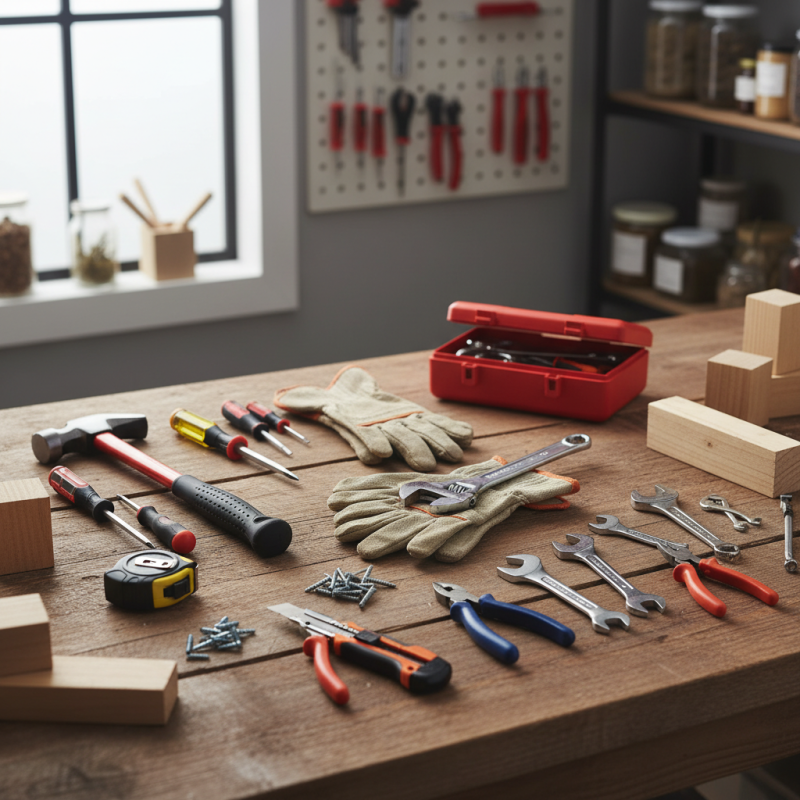
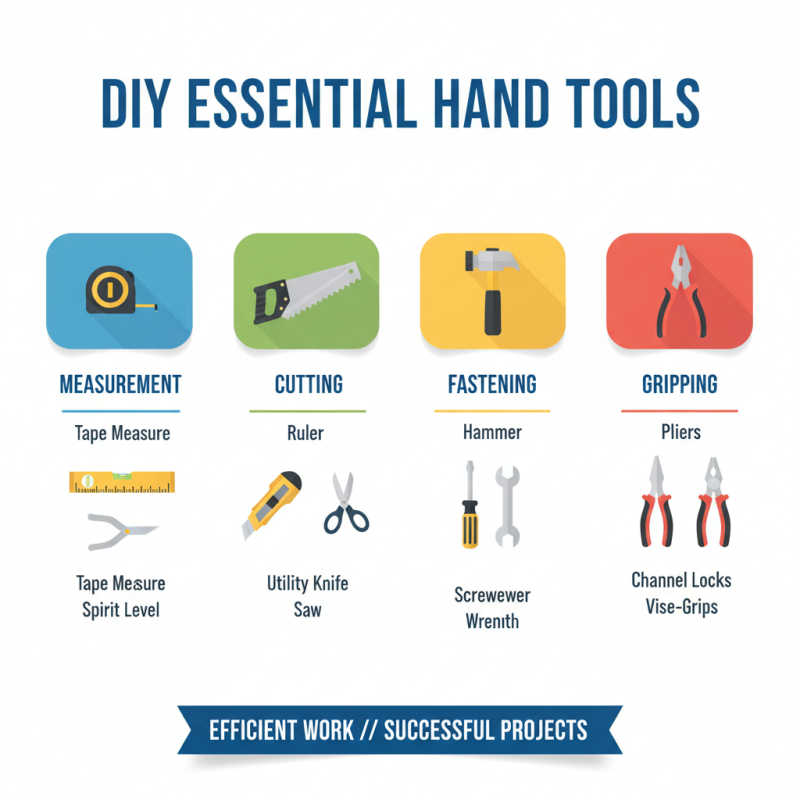
When tackling DIY projects at home, having the right hand tools is crucial. Essential categories of hand tools include measurement tools, cutting tools, fastening tools, and gripping tools. Each category serves a unique purpose and contributes to successful, efficient work.
Measurement tools like tape measures and squares help achieve accuracy. A miscalculation may lead to improper cuts. It can feel frustrating to measure twice and still make mistakes. Pay attention to details, as they can make or break a project. Keep a notebook for notes on measurements and adjustments.
Cutting tools include utility knives and hand saws. These tools allow you to shape materials effectively. However, using them safely is vital. Sharp blades can cause injuries if not handled properly. Always double-check your grip and stance while cutting.
Fastening tools such as hammers and screwdrivers are essential for assembly. The right tool can secure pieces tightly. Yet, over-tightening can strip screws or crack wood. Use the right pressure and remember that less is more often. Gripping tools like pliers help in holding and manipulating tough materials. They are essential yet can sometimes leave your hands fatigued. Take breaks to reset and avoid strain.
Criteria for Selecting Quality Hand Tools
Choosing quality hand tools is essential for any DIY project. There are several important criteria to consider when selecting tools that will last. First, assess the material. Tools made from high-quality steel or durable plastics tend to perform better. They resist wear and provide more stability during use. A good finish on the tool also prevents rust and improves grip.
Next, check the weight and balance. A heavy tool might seem durable, but it can cause fatigue. A well-balanced tool is easier to control and reduces the risk of mistakes. Look for ergonomic handles that fit comfortably in your hand. Consider the tool's versatility too. A tool that can serve multiple purposes is often a better investment. Think about how you will use it.
Lastly, inspect the tool for quality control standards. Small imperfections can affect performance. Sometimes, tools might look good but fail under pressure. Reflect on your past experiences. Did a tool break during a critical job? Lessons learned can guide future purchases. High-quality tools may cost more, but they can save you money in the long run. Choose wisely.
Tips for Maintaining and Storing Your Tools
Taking care of your hand tools is essential for any DIY enthusiast. A well-maintained tool not only performs better, but it can also last much longer. Clean each tool after use. Dust and debris can rust and wear tools down. A simple wipe with a cloth can make a big difference. Store tools in a dry place to prevent corrosion.
Organizing tools efficiently can save time during projects. Consider using a pegboard or tool chest for storage. Keep frequently used tools within reach. Less-used items can go in bins or drawers. Review your setup regularly. Sometimes, what worked once may need adjustments. Rethink your organization if you find yourself wasting time searching for items.
Lastly, remember to inspect tools regularly. Look for wear and tear. Sometimes, a small issue can lead to larger problems. Replace any damaged or rusty tools promptly. This ensures projects run smoothly and safely. Taking a moment to reflect on your tool management can yield significant improvements.
How to Choose the Best Hand Tools At Home for Every DIY Project? - Tips for Maintaining and Storing Your Tools
| Tool Type |
Best Use |
Maintenance Tips |
Storage Method |
| Hammer |
Driving nails, breaking objects |
Keep the head clean and check for damage |
Hang on a wall or store in a toolbox |
| Screwdriver |
Tightening or loosening screws |
Keep the tip clean, avoid using for prying |
Store in a magnetic strip or toolbox |
| Wrench |
Turning nuts and bolts |
Clean after use, lubricate moving parts |
Store in a tool chest or drawer |
| Pliers |
Gripping, twisting, or cutting |
Clean jaws and hinges regularly |
Keep in a toolbox or hanging rack |
| Tape Measure |
Measuring lengths |
Avoid bending the tape, clean with a cloth |
Store in a designated pocket or toolbox |
Budgeting for Your DIY Hand Tool Collection
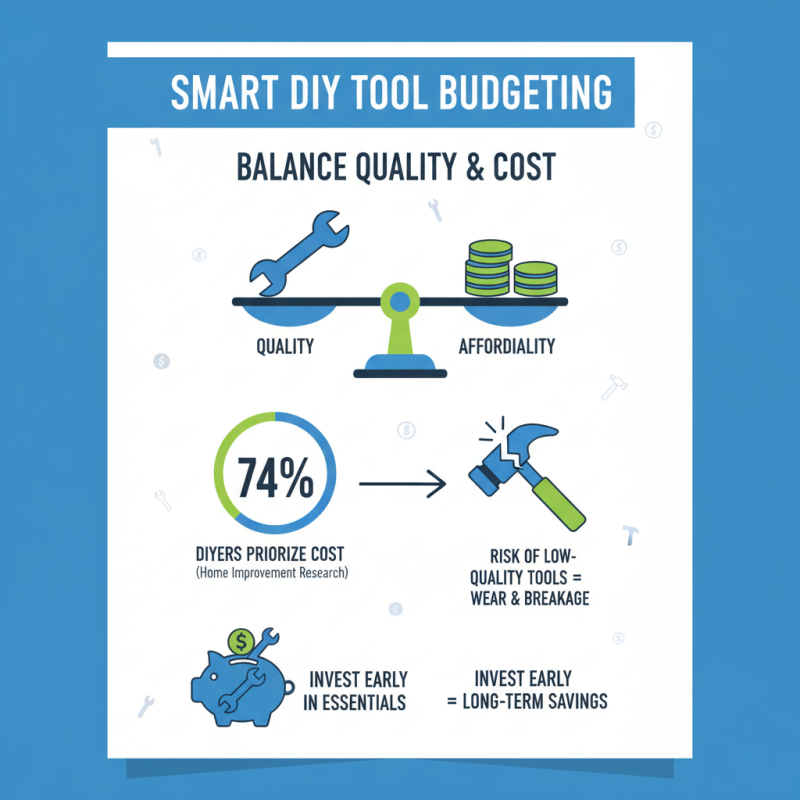
When budgeting for your DIY hand tool collection, it's crucial to balance quality and affordability. A recent survey by the Home Improvement Research Institute shows that 74% of DIY enthusiasts prioritize cost when selecting tools. This can lead to compromises on quality, which might result in tools that wear out quickly. Investing in essential tools upfront can save you money in the long run.
Consider creating a priority list of tools. Hand tools like hammers, screwdrivers, and pliers are often the foundations of any collection. According to a report from Tools & Home Improvement Trends, 65% of users find themselves repeatedly buying the same cheap tools. Opting for a moderate range of mid-priced items can prove more effective. They last longer and reduce the need for frequent replacements.
It's also helpful to keep an eye on sales and bulk buying options. Many sellers offer discounts during seasonal sales. However, impulse buys can lead to regrettable choices. An analysis found that 48% of DIYers regret purchasing tools that didn't meet their needs. Planning purchases and sticking to your budget can decrease the likelihood of owning tools that collect dust rather than serve your projects.