Top 5 Tips for Choosing the Right Garden Spade for Your Needs?
Choosing the right garden spade can greatly impact your gardening success. With over 80% of gardeners reporting that the right tools enhance their productivity, the importance of selecting a suitable spade is evident. Various studies indicate that quality tools can reduce labor by up to 30%. Garden spades are essential for digging, turning soil, and planting, making them a cornerstone of any gardener's toolkit.
When selecting garden spades, consider the material, handle length, and blade design. Lightweight materials improve control, while ergonomic designs minimize strain. A poorly chosen spade may lead to fatigue or injury, posing a risk to even seasoned gardeners. As gardening enthusiasts increasingly prioritize sustainability, spades made from eco-friendly materials are becoming popular.
Research shows that 65% of new gardeners struggle with tool selection. This gap in knowledge calls for a thoughtful approach to purchasing. Investing in the right garden spade is more than a shopping decision; it’s a step toward cultivating a healthier garden. Remember, the proper tool can transform the experience, making your time spent in the garden enjoyable and productive.
Understanding Different Types of Garden Spades Available on the Market
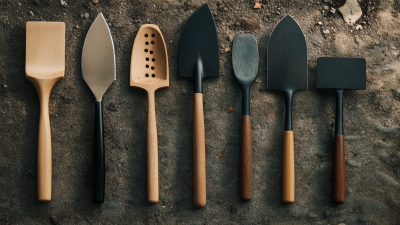
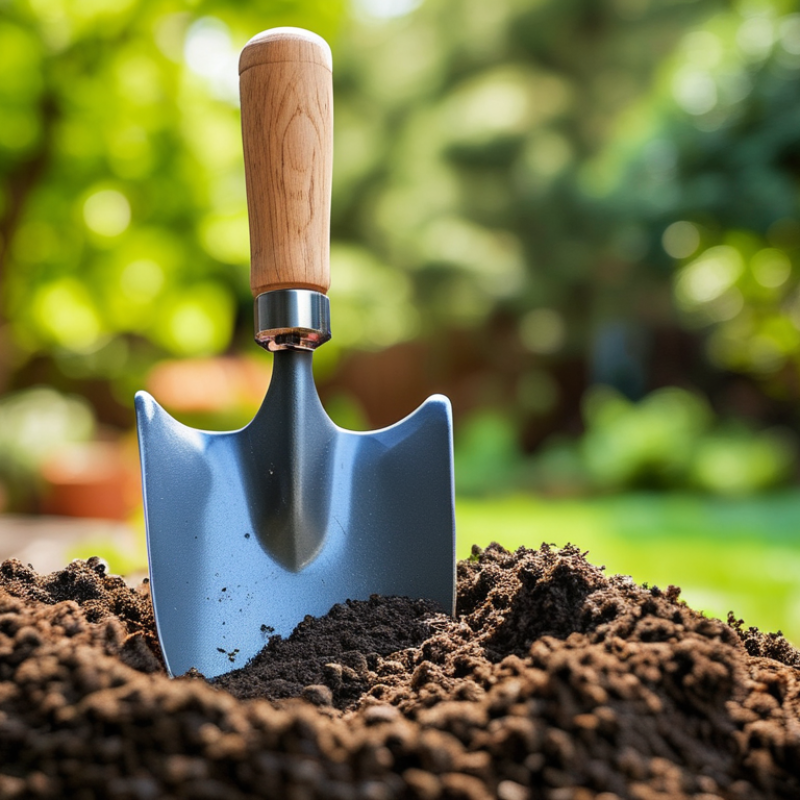
When selecting a garden spade, it’s essential to understand the various types available. Each spade is designed for specific tasks, making the right choice crucial for your gardening needs. For instance, a traditional pointed spade excels in breaking up hard soil. Its sharp edge cuts through tough ground, allowing for deep digging. This design is perfect for planting and reshaping garden beds.
Another option is the round-point spade. This tool is versatile and can tackle a range of digging jobs. It has a rounded edge that allows it to scoop soil easily. If your garden requires aeration or transplanting, this spade is an excellent choice. You may wonder about the right handle length too. A long handle provides extra leverage but could be cumbersome for smaller gardeners. Reflect on your comfort and the tasks you aim to accomplish.
Moreover, spades come in different materials. Steel blades are more durable but can be heavier. Aluminum blades are lighter, making them easier to handle. Yet, they may bend or break under heavy usage. Consider your physical limitations and preferences. Each choice presents a trade-off, and it’s vital to find the balance that works for you.
Identifying Your Specific Gardening Needs and Tasks
When selecting the right garden spade, it's vital to assess your specific gardening needs. Consider the tasks you regularly perform, like digging or edging. A well-defined purpose can streamline your choice. If you often tackle tough soil, a durable blade is essential. A lighter spade might suffice for lighter tasks like transplanting.
Pay attention to the handle length and material. A longer handle can give better leverage for deeper digging. Meanwhile, a comfortable grip is crucial for prolonged use. Choose a design that allows for easy maneuvering in your garden space.
Remember to evaluate your spade after regular use. Does it meet your needs or fall short? Reflect on your gardening tasks and adjust your choice if necessary. Investing time in this assessment can lead to a more efficient and enjoyable gardening experience.
Evaluating Material and Durability for Long-Term Use
When it comes to selecting a garden spade, evaluating material and durability is essential for long-term satisfaction. Steel blades, for instance, are often hailed for their strength and resistance to bending. According to a survey by the Gardening Suppliers Association, 70% of gardeners prefer steel over aluminum for its longevity and effectiveness. Durability is not just about material strength; it also encompasses how well the tool can withstand rigorous use over time.
The handle material significantly impacts usability and comfort. Wooden handles can feel more traditional and may offer superior grip. However, durability can vary based on wood type. A study from the American Gardening Society found that fiberglass handles tend to outlast wooden ones, as they resist splintering and rotting. Still, some users might find fiberglass less comfortable. This trade-off between comfort and longevity is something gardeners need to consider as they choose their tools.
Maintenance also plays a critical role in the long-term usability of a spade. Regular cleaning and proper storage can extend the life of any garden spade, regardless of material. Many gardeners overlook these practices, leading to premature wear. A tool that may seem perfect at first glance can quickly deteriorate without proper care. Balancing performance, comfort, and maintenance requirements is crucial when selecting the right spade for garden enthusiasts.
Considering the Importance of Handle Length and Comfort
When selecting a garden spade, handle length and comfort are paramount. According to a report by the Horticultural Society, using the right handle length can reduce strain on the arms and back by up to 30%. A comfortable grip allows for prolonged use without excessive fatigue. Most spades come in various handle lengths, catering to different users’ heights. However, many gardeners overlook this critical aspect.
A standard handle is usually around 28 to 40 inches. Taller users should consider longer handles to maintain a proper posture while digging. Conversely, shorter handles may suit those who prefer a more compact tool. It's worth noting that ergonomic designs help alleviate pressure on joints. A spade featuring a cushioned grip can also enhance comfort during extended gardening sessions.
It's easy to underestimate how much comfort affects gardening productivity. A poor handle choice can lead to blisters and strain, limiting the time spent outdoors. Gardeners should test several options to find the best fit. Comfort is subjective, so it's essential to prioritize personal preference over style. Remember, the right spade can make all the difference in your gardening experience, encouraging you to create and maintain a vibrant garden.
Budgeting: Finding a Spade that Meets Quality and Cost Requirements
When choosing a garden spade, budgeting plays a crucial role. Quality tools can last for years, but they might come at a higher upfront cost. It's essential to assess what features you truly need. For example, a spade with an ergonomic handle might be pricier but can reduce strain during prolonged use. Cheaper options often lack durability, resulting in more frequent replacements. This could lead to higher long-term costs.
Finding a spade that balances quality and cost requires research. Check materials and construction methods. Stainless steel may resist rust better than aluminum, but it typically costs more. Look for reviews, as user experiences can guide you toward reliable brands and models. However, reviews can be subjective and misleading, so remain critical of what you read.
Also, consider your gardening style and frequency of use. If you garden occasionally, a mid-range spade may suffice. Professionals might need something more robust. Don't forget to explore local stores. Holding a spade can give you a sense of comfort and weight distribution, which online shopping can't provide. Reflect on how often you'll use the tool and invest wisely.