Blog

How to Find Reliable Tools Suppliers for Your Business?

Finding reliable Tools Suppliers for your business can be challenging. The landscape is filled with options, but not all suppliers are created equal. You need partners who understand your needs and deliver quality products consistently.

Assessing potential suppliers requires careful consideration. Check their reputation in the industry. Look for feedback from other businesses. A credible supplier will have a track record you can examine. Ensure they offer quality tools that fit your specific requirements. This includes pricing, availability, and support.

It's easy to be swayed by low prices. However, the cheapest option may not always provide the best value. Quality matters as much as cost. A reliable supplier can influence your operations in significant ways. Finding the right Tools Suppliers means investing time in research and reviews. Take the time to reflect on your choices.

How to Find Reliable Tools Suppliers for Your Business?

Identifying Your Tool Requirements for Business Needs

Identifying your tool requirements is crucial for the success of your business. Start by assessing the tasks that need completion. Are you handling metalworking, woodworking, or repairs? Each task demands specific tools. Make a list of the necessary items based on your projects. Visualize the workflow to pinpoint gaps. This can save both time and money.

Consider the volume of work too. A small volume may allow for basic tools, while large projects might require specialized equipment. Reflect on your current tools. Are they sufficient? Are they outdated or ineffective? You need reliable tools to enhance productivity. Asking your team for feedback can provide valuable insights.

Finally, think about the environment where these tools will be used. Will they withstand wear and exposure? Durability and practicality matter. Don't overlook maintenance needs either. It’s crucial to find a balance between quality and cost. Take your time to evaluate different options. This reflective process is essential for aligning your needs with reliable suppliers.
Researching Potential Suppliers: Key Sources and Methods

How to Find Reliable Tools Suppliers for Your Business?

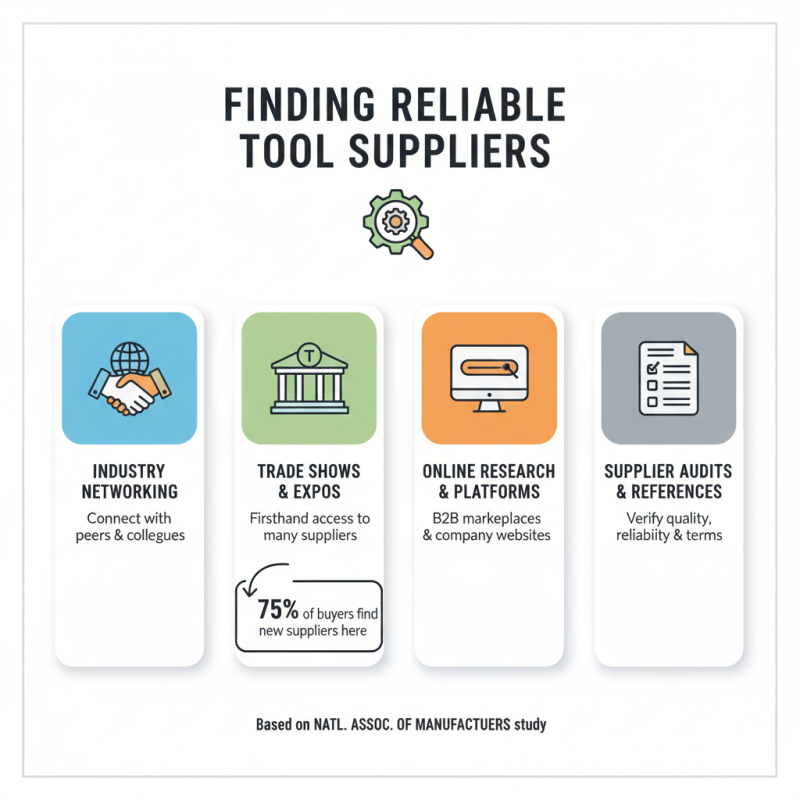
Finding reliable tools suppliers is crucial for business success. Researching potential suppliers involves several methods and sources. Trade shows and industry expos can provide firsthand access to many suppliers. According to a study by the National Association of Manufacturers, 75% of industry buyers found new suppliers through such events.

Online platforms are another effective resource. Websites like industry-specific directories and trade portals list countless suppliers. However, not all suppliers are equal. Approximately 40% of suppliers fail to meet quality standards, according to a 2021 supply chain report. Customer reviews and feedback can help evaluate them better.

Networking within industry circles also yields valuable insights. Attending seminars and workshops creates connections with established professionals. Many share experiences about their reliable suppliers. Word-of-mouth recommendations can lead to trustworthy choices. However, it is important to remain skeptical. Not every recommendation guarantees quality or reliability. Always conduct your own research.

Evaluating Supplier Credentials: Certifications and Reviews

Choosing the right suppliers is crucial for your business. Evaluating supplier credentials can be a daunting task. Certifications provide insights into a supplier’s reliability and expertise. Look for ISO certifications relevant to their industry. They often indicate a commitment to quality. But, not all certifications mean the same thing. Research what each certification truly represents.

Customer reviews offer another layer of assessment. They can reveal suppliers’ strengths and weaknesses. Check multiple sources for unbiased feedback. Be cautious of overly positive reviews—these might be misleading. Look for patterns in feedback. If many customers mention slow shipping or poor communication, take note.

While it’s easy to focus on credentials, personal experience matters too. Reach out to suppliers directly. Ask specific questions about their processes. This interaction can clarify any uncertainties. Consider their responsiveness as part of their service quality. Sometimes, a supplier’s certifications don’t match real-world performance. Be open to refining your criteria as you learn more.

Comparing Pricing and Terms: Building Competitive Quotes

Finding reliable tools suppliers is not an easy task. Pricing is often the first consideration. However, it's essential to compare not just the costs, but the terms too. Some may offer low prices, but their payment terms could be restrictive. Always read the fine print. A good quote should be transparent and clear.

Consider requesting quotes from multiple suppliers. Analyze the details carefully. Look for hidden fees or additional costs that may arise later. Some suppliers might promise fast delivery but fail to meet deadlines. Communicate your expectations clearly. Ask questions if something seems vague.

It's also crucial to evaluate the quality of products. Low prices may indicate compromised quality. Seek out reviews or testimonials from other businesses. Use this feedback to make informed decisions. Being thorough in this process is key. Don't rush; sometimes, taking the extra time to reflect leads to better long-term partnerships.

Establishing Long-term Relationships with Tool Suppliers

How to Find Reliable Tools Suppliers for Your Business?

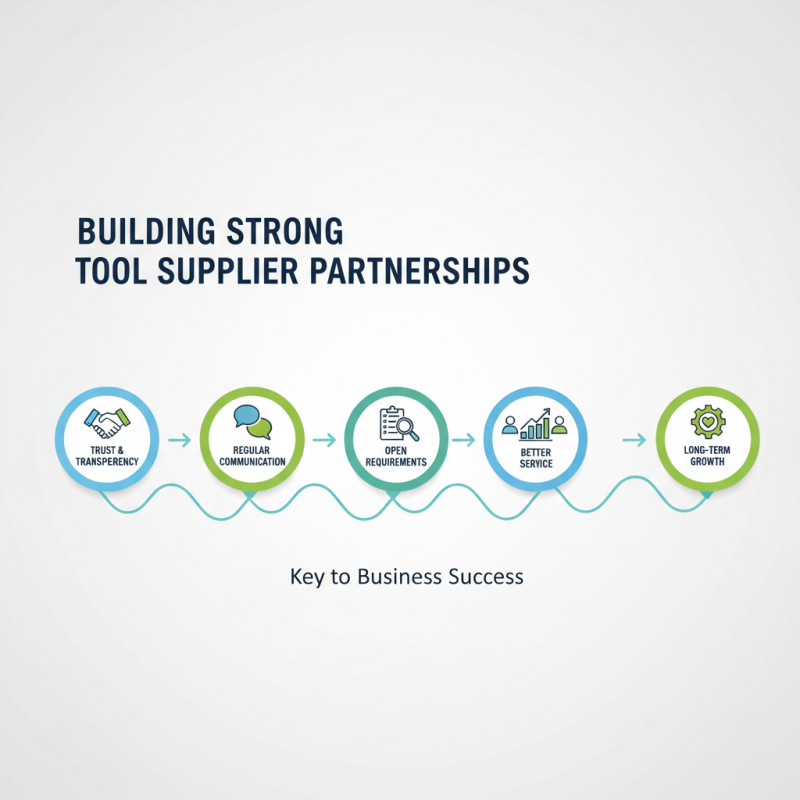
Building long-term relationships with tool suppliers is crucial for any business. Trust and transparency should be at the core of this partnership. Regular communication helps in addressing concerns and expectations. Discussing your requirements openly can lead to better service. It’s beneficial to have face-to-face meetings whenever possible to strengthen these bonds.

Choosing a supplier isn't just about price. Quality and reliability are equally important. You might find a supplier who offers cheap tools but is inconsistent in delivery. Such a relationship can lead to project delays. Reflecting on past experiences is necessary. Did a supplier meet your timelines? Were the tools durable and effective? Make a list of what worked and what didn’t. This process helps in evaluating current suppliers and deciding if changes are needed.

Involving suppliers in your projects can enhance collaboration. When they feel part of your team, they may go the extra mile. They can provide insights that could improve your business operations. It’s essential to keep the dialogue open. Consider regular feedback sessions to learn from each other’s experiences. This exchange can foster innovation and strengthen your partnership over time.