How to Operate a Tandem Cold Rolling Mill Efficiently?
Operating a tandem cold rolling mill efficiently is crucial for maximizing productivity. This advanced machinery plays a vital role in the metalworking industry. It enables the production of high-quality metal sheets through continuous processing.
A tandem cold rolling mill consists of multiple rolling stands, allowing for simultaneous reductions in thickness. Each pass presents unique challenges. Adjusting the speed or temperature incorrectly can lead to defects. Inefficient operations may result in increased scrap rates or downtime. Understanding these complexities is essential for smooth operation.
To enhance efficiency, operators should focus on proper maintenance and monitoring. Regular checks on equipment performance can mitigate unexpected breakdowns. Training staff in the nuances of the tandem cold rolling mill operation is also key. This ensures that they are prepared to troubleshoot when issues arise. Efficiency is a continuous journey, often requiring reflection on current practices.
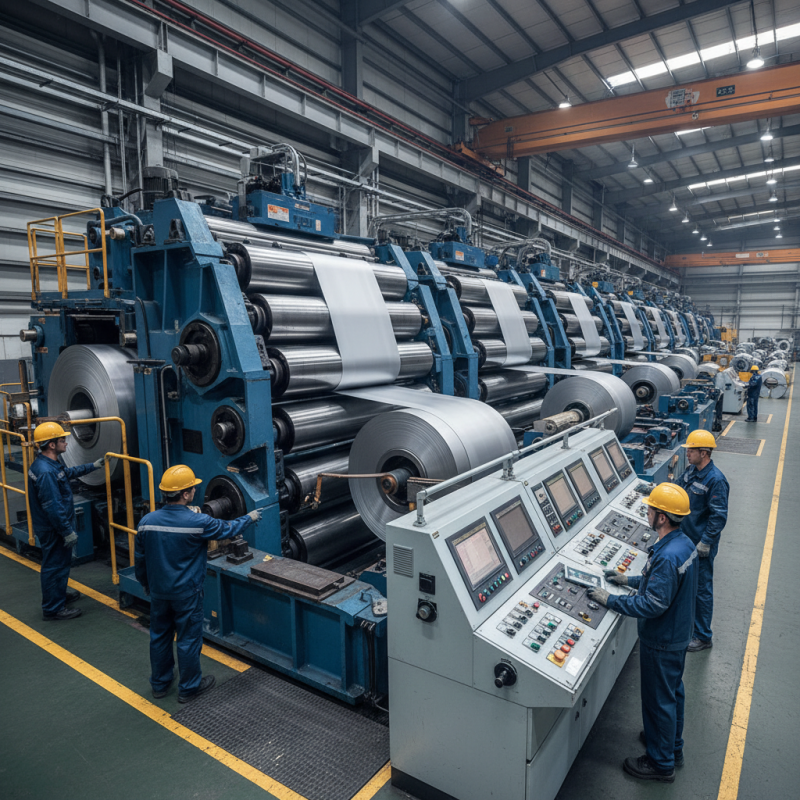
Understanding the Basics of Tandem Cold Rolling Mill Operation
A tandem cold rolling mill is essential in metal processing. Understanding its operation is crucial for efficiency. This type of mill reduces the thickness of metal strips through a series of rolling stands. Each stand applies pressure, shaping the metal continuously.
Recent studies show that optimizing parameters like speed and force can increase production efficiency by up to 15%. Accurate control of the mill's temperature is vital as well. Variations can lead to defects in the final product. Common issues include uneven thickness and surface quality problems. Monitoring these factors is necessary.
Efficient maintenance routines also play a role. Regular checks can prevent costly downtimes. Many mills experience operational inefficiencies due to infrequent maintenance. Reports indicate that scheduled maintenance can improve uptime by 10%. Workers should be trained to identify potential issues early. Understanding the mill’s dynamics leads to better performance. Adapting to changing demands is key for success.
Key Components and Their Functions in Cold Rolling Mills
In a tandem cold rolling mill, understanding key components is essential for efficient operation. The rolling stands apply pressure to steel strips, reducing their thickness. Rolls are the heart of the operation. They must be maintained to avoid unscheduled downtime. Improper maintenance can lead to uneven surfaces, which affects product quality.
Another crucial element is the lubrication system. Lubricants reduce friction between the rolls and the steel. Insufficient lubrication can cause overheating, leading to equipment damage. Ensuring proper viscosity is vital. Operators often overlook this detail, which can result in costly repairs.
Automation systems are also significant. They monitor temperatures, speeds, and pressures. This data helps to optimize the process. However, reliance on automation without understanding the underlying mechanics can create vulnerabilities. Human oversight is necessary. Balancing technology with knowledge is a challenge many face in the industry.
Efficiency of Key Components in a Tandem Cold Rolling Mill
This bar chart illustrates the efficiency of key components in a Tandem Cold Rolling Mill. The data highlights the performance percentages of different systems critical to the operation, including Process Control, Roller Adjustment, Cooling System, Material Handling, and Quality Control.
Essential Techniques for Optimizing Mill Efficiency
Operating a tandem cold rolling mill efficiently requires a blend of essential techniques and insights. One key factor is optimizing rolling parameters. According to industry reports, an efficient cold rolling mill can achieve yield efficiencies exceeding 90%. This is largely due to precise control over tension and thickness. Adjusting these parameters can minimize defects and maximize output.
Another critical aspect is maintaining equipment. Regularly scheduled maintenance can significantly reduce downtime. Surveys show that mills with proactive maintenance strategies cut unplanned outages by 30%. However, many facilities still struggle with delayed maintenance. This leads to unexpected failures and production losses.
Lastly, workforce training plays a huge role in efficiency. Operators need to be well-versed in the equipment and processes. Studies indicate that trained operators can boost mill productivity by up to 15%. Yet, there remains a gap in training programs. Investing in workforce development is often overlooked, despite its significant impact on efficiency.
Common Challenges in Tandem Cold Rolling and Their Solutions
Operating a tandem cold rolling mill comes with its share of challenges. One common issue is uneven thickness in the rolled material. This can stem from variations in the input material or incorrect adjustments in the rolling process. Operators should regularly monitor gauges and sensor readings. Keeping the rolling speed consistent can also mitigate thickness discrepancies.
Another significant challenge is surface quality. Imperfections such as scratches and oxidation can occur during rolling. To combat this, proper cleaning of rolls and workpieces is essential. Regular maintenance routines help identify wear and tear on equipment. Furthermore, maintaining optimal temperatures during processing can improve the surface finish significantly.
Lastly, managing energy consumption is often overlooked. Many mills operate inefficiently, leading to increased costs. Operators need to balance speed with energy use. Implementing smart energy management systems may offer long-term savings. Regular audits can highlight areas for improvement that are often ignored. Reflecting on these aspects can drive better performance in tandem cold rolling operations.
How to Operate a Tandem Cold Rolling Mill Efficiently? - Common Challenges in Tandem Cold Rolling and Their Solutions
| Challenge | Description | Impact | Proposed Solution |
| Metal Wrinkling | Formation of wrinkles on the surface of the sheet due to improper roll gap settings. | Poor surface quality, increased scrap rate. | Optimizing roll gap settings and implementing real-time monitoring. |
| Edge Drop | Reduction of thickness at the edges of the rolled sheet. | Increased scrap and rework, marketable width reduction. | Adjusting roller alignment and utilizing edge control technologies. |
| Dimensional Variability | Inconsistencies in dimensional tolerances across the rolled material. | Increased production costs and reduced customer satisfaction. | Implementing automated feedback control systems. |
| Temperature Control | Inadequate temperature management leading to poor material properties. | Deteriorated mechanical properties, higher risk of defects. | Regular monitoring and adjusting cooling systems for consistency. |
| Roll Wear | Degradation of rolls impacting surface quality and dimensional accuracy. | Increased downtime and roll replacement costs. | Regular maintenance and advanced wear-resistant materials. |
Implementing Maintenance Strategies for Long-Term Performance
Operating a tandem cold rolling mill efficiently requires robust maintenance strategies. Regular upkeep can extend machine life and improve performance. Reports indicate that unscheduled downtime can cost manufacturers over 5% of their annual revenues. Implementing predictive maintenance addresses issues before they escalate, reducing costly repairs and downtime.
Regular inspections are crucial. Every week, check the mill's critical components—such as bearings and drive motors. Studies show that timely replacements of worn parts can enhance efficiency by up to 15%. A culture of maintenance awareness among operators can further empower teams. Operators should be trained to spot signs of wear early.
Documentation is just as important. Keeping a detailed maintenance log helps identify recurring issues. This could reveal patterns in equipment failure. Sometimes, the root cause is not immediately obvious. If parts frequently need replacing, it’s essential to investigate. Such proactive measures can lead to significant efficiency improvements, ultimately enhancing a mill's long-term performance. Continuous reflection on these strategies can foster an adaptive maintenance environment.
