How to Source Coiled Steel Tubing for Global Procurement?
In the ever-evolving landscape of global procurement, sourcing Coiled Steel Tubing has become a critical task for many industries. Market analysts project that the global steel tubing market will reach $25 billion by 2027, driven by demand from sectors like construction and oil & gas. However, procuring Coiled Steel Tubing is not without its challenges. Supply chain disruptions and fluctuating raw material costs can lead to unpredictable pricing and availability issues.
Utilizing a strategic approach is essential in this competitive environment. Companies must harness data analytics for better forecasting and inventory management. The need for reliable suppliers is paramount, as quality variations can significantly affect project outcomes. Reports indicate that 40% of procurement professionals face issues with quality inconsistency in steel products. Therefore, vetting suppliers for compliance and quality assurance is vital.
Despite these complexities, the potential for growth in Coiled Steel Tubing sourcing presents opportunities. Organizations that prioritize strong supplier relationships and invest in technology will likely outperform others in the market. A willingness to adapt and innovate is necessary to navigate the challenges the industry presents. Sourcing Coiled Steel Tubing effectively demands both expertise and careful planning to ensure a successful procurement strategy.
Understanding Coiled Steel Tubing and Its Applications
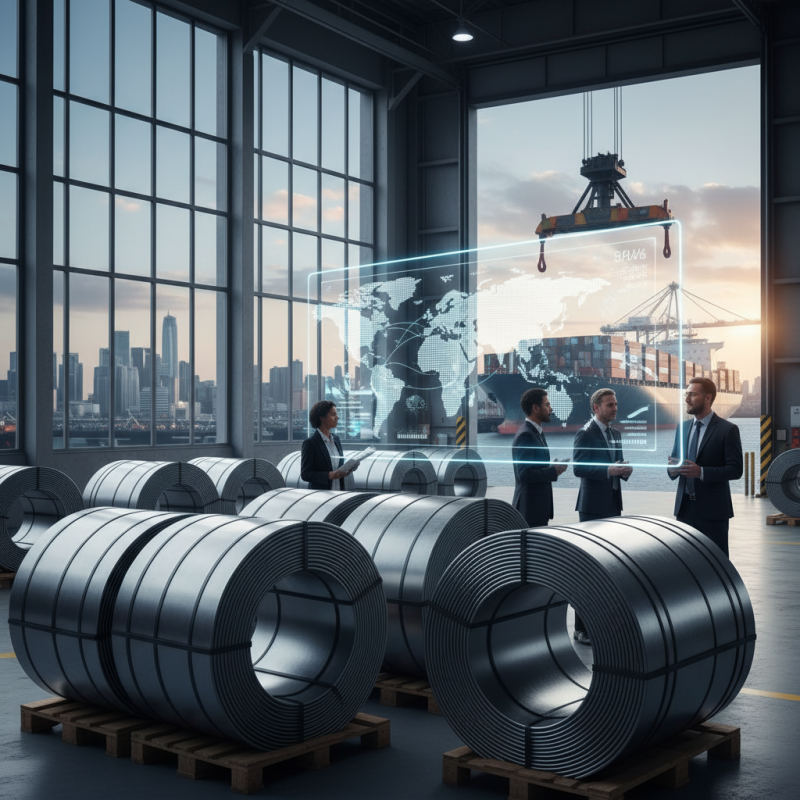
Coiled steel tubing is essential in various industries. Its flexibility and strength make it ideal for applications in oil and gas, construction, and engineering. This type of tubing can be utilized for transporting fluids and gases, making it a cornerstone in energy sectors. Understanding its applications is crucial for effective procurement.
When sourcing coiled steel tubing, consider the material certification. This ensures quality and compliance with industry standards. Look into the specifications, such as wall thickness and diameter, that fit your project's needs. These details directly influence performance and safety.
Tips: It helps to work with reputable suppliers. Their expertise can guide you in selecting the right product. Conducting regular market research is also beneficial. Understanding trends can help you make informed decisions.
Remember, not all suppliers are equal. Some may not meet your quality expectations. Building a reliable supplier network can mitigate risks and improve your procurement strategy.
Key Factors to Consider in Global Procurement of Steel Tubing
When considering global procurement of coiled steel tubing, several key factors demand attention. Quality is paramount. Ensure suppliers adhere to international standards. Material specifications must be checked rigorously. Regular audits can help maintain quality assurance. Evaluating certifications helps target reputable suppliers.
Another crucial aspect is cost management. Prices can fluctuate due to market demand. Understanding the pricing structure in different regions is essential. Shipping costs should not be overlooked. Logistics play a significant role in the overall budget. A transparent cost breakdown from suppliers can aid in decision-making.
Cultural differences can impact negotiations. Building a rapport with suppliers can lead to better outcomes. Language barriers may cause misunderstandings. Investing time in relationship building is often worthwhile. Reflecting on past procurement experiences helps refine strategies. Learning from miscommunications can strengthen future partnerships.
Identify Reliable Suppliers for Coiled Steel Tubing Worldwide
When sourcing coiled steel tubing globally, identifying reliable suppliers is crucial. According to industry reports, the global steel market is projected to reach $1 trillion by 2025, making it essential for procurement professionals to find trustworthy partners. Reliable suppliers not only provide quality products but also ensure timely delivery, which is critical for maintaining production schedules.
In a crowded market, evaluating suppliers based on their certifications and factory audits can enhance reliability. Look for suppliers with ISO 9001 certification, which indicates commitment to quality management. A study highlighted that 72% of procurement failures stem from inadequate supplier vetting. Failing to assess potential partners can lead to delays and added costs.
Assessing suppliers in terms of geographic location is also important for logistics. Proximity can reduce shipping times and costs. However, many tend to overlook the benefits of regional suppliers. They may offer competitive pricing and localized support. Connecting with industry associations can provide insights into which suppliers maintain high standards. Engaging in peer reviews can offer candid assessments of supplier performance. Investing time in thorough supplier research pays off in the long run.
Evaluating Quality Standards and Compliance in Steel Sourcing
When sourcing coiled steel tubing, evaluating quality standards is crucial. Different regions may have varying standards, which can affect product consistency. Understanding these standards helps ensure that the steel meets the necessary specifications for your applications. Not all suppliers comply with international norms. Some may overlook essential quality checks, leading to potential failures down the line.
Compliance in steel sourcing involves more than just meeting basic criteria. It requires a thorough review of material certifications and manufacturing processes. Ideally, suppliers should provide documented proof of their quality management systems. However, not all documentation is transparent. This can create confusion about the actual quality. Real-world testing is often necessary for verification, though it adds time and cost.
Achieving reliability in sourcing requires due diligence. It is essential to visit production sites when feasible. Direct observation can reveal much about a supplier’s operations. However, this is not always practical. Virtual audits can help, yet they may lack the depth of physical inspections. Reflecting on these challenges will improve future sourcing strategies. Proper evaluation aligns expectations with reality, enhancing procurement decisions.
How to Source Coiled Steel Tubing for Global Procurement? - Evaluating Quality Standards and Compliance in Steel Sourcing
| Dimension | Material Type | Quality Standard | Compliance Cert | Country of Origin | Price (per meter) |
| 2" x 0.120" | Mild Steel | ASTM A53 | ISO 9001 | USA | $5.50 |
| 3" x 0.250" | High Tensile Steel | ASTM A500 | ISO 14001 | Canada | $8.75 |
| 4" x 0.375" | Cold Drawn Steel | ASTM A513 | API 5L | Germany | $12.00 |
| 1.5" x 0.090" | Galvanized Steel | ASTM A787 | EN 10204 | China | $4.25 |
Logistics and Cost Management for International Steel Procurement
When sourcing coiled steel tubing internationally, logistics plays a critical role. Effective planning can reduce delays and costs. Understanding your supply chain is essential. Each step must be monitored closely. Choose reliable shipping partners who specialize in steel. Their expertise can help navigate customs and regulations.
Cost management is another crucial factor. Calculate all expenses, including shipping and tariffs. Sometimes, lower upfront costs can lead to higher hidden fees. Analyze the total cost of ownership. Quantity discounts might be tempting, but they require careful evaluation. Negotiate terms that reflect true market value while safeguarding your budget.
Reflecting on past procurement experiences can provide valuable insights. Mistakes are part of the learning process. Use them to create more effective strategies. Adapting to market changes is vital but challenging. Flexibility can help mitigate risks while ensuring you maintain a competitive edge in global procurement.
Global Procurement Cost Management for Coiled Steel Tubing
