Best Tips for Choosing the Right Shale Shaker Screen?
Choosing the right shale shaker screen can significantly impact drilling efficiency. According to industry expert Dr. John Smith, "The right screen can be the difference between success and failure." His insights highlight the importance of selection in the shale shaker screen market.
When selecting a shale shaker screen, consider several factors. The mesh size is crucial. It determines what solids are separated from the drilling fluid. A well-chosen screen can improve recovery rates and reduce downtime. There are various materials available, each with its strengths and weaknesses.
Understanding these aspects may seem straightforward, but many overlook details. Often, operators choose based on price rather than performance. This approach may lead to increased costs and inefficiencies. A small mistake in screen selection could undermine the entire drilling operation. Thoughtful choices are essential for optimal results.
Understanding the Purpose of Shale Shaker Screens in Drilling Operations
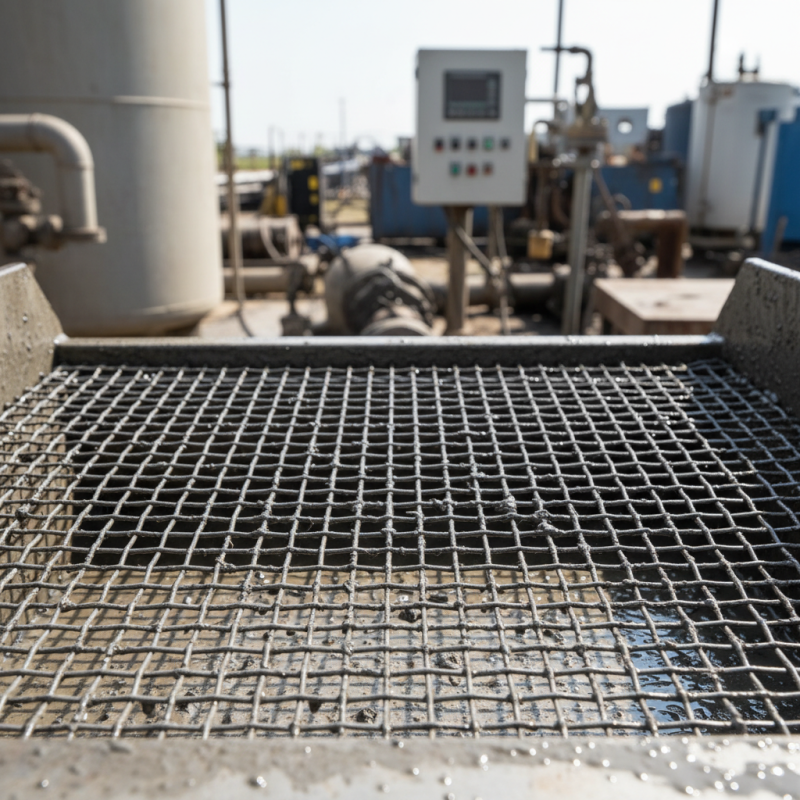
Shale shaker screens play a crucial role in drilling operations. They are essential for separating solids from drilling fluids. This separation ensures that the fluids remain effective in cooling and lubricating the drill bit. By filtering out cuttings and debris, shaker screens extend the life of drilling fluids. They also enhance the overall efficiency of the drilling process.
Choosing the right shale shaker screen involves understanding various factors. The screen's mesh size is critical. It determines what particles can pass through and which are filtered out. A finer mesh captures smaller particles but may slow down fluid flow. Conversely, a coarser mesh allows faster fluid movement but may let more solids pass. It's a delicate balance that requires careful consideration.
Many overlook the importance of screen durability. High-quality materials can withstand harsh conditions, but not all screens are created equal. Wear and tear are inevitable, leading to inefficiencies. Regular checks and timely replacements are vital. Ignoring this can result in increased costs and operational delays. Thoughtful choices lead to better results in drilling operations.
Key Factors to Consider When Selecting Shale Shaker Screens
Choosing the right shale shaker screen is crucial. Start by considering mesh size. It affects separation efficiency. Coarser screens work better for larger particles. Finer screens catch smaller debris effectively. Understanding your material's characteristics helps in this selection.
Hydraulic and mechanical properties of your drilling fluid also matter. For instance, if your fluid is thick, you might need a different screen type. The flow rate can impact screen performance too. Consider the volume of fluid being processed. This directly influences the screen's lifespan.
Another key factor is the screen's construction. Materials vary in durability and resilience. A strong frame can withstand difficult conditions. Regular maintenance is essential for screen longevity. Ignoring wear and tear might lead to costly downtimes. Always be prepared for unexpected challenges. Reflect on these aspects to make an informed choice.
Different Types of Shale Shaker Screens and Their Applications
Choosing the right shale shaker screen involves understanding different types and their applications. Shale shaker screens are essential in the drilling industry. They separate solid particles from drilling fluids. Performance can vary significantly based on the screen type.
There are several kinds of shale shaker screens. Wire mesh screens are common and cost-effective. They provide decent separation but may wear out quickly. Composite screens offer better durability and can handle heavier loads. Recent studies show that composite or polyurethane screens last up to 40% longer than traditional wire mesh. This longevity leads to reduced downtime and operational costs.
Another option is the perforated plate screens. They excel in fluid recovery but aren't always ideal for fine solids. Selecting the right screen involves evaluating your specific drilling conditions. High viscosity fluids may require finer screens. In contrast, abrasive materials demand more robust options. The complexity of these choices highlights the need for careful consideration and analysis.
Best Tips for Choosing the Right Shale Shaker Screen
Evaluating Screen Mesh Sizes and Their Impact on Separation Efficiency
Choosing the right shale shaker screen involves understanding screen mesh sizes. The mesh size directly affects the separation efficiency of solids from fluids. Smaller mesh sizes capture finer particles, while larger sizes allow for quicker flow rates. The right balance is crucial to optimize drilling performance.
Consider how the mesh size impacts your operation. A finer mesh can improve separation but may obstruct flow, creating backpressure. Conversely, a coarser mesh may enhance fluid movement but lose fine solids. Each operation has unique needs; assess your specific requirements carefully. Testing different mesh sizes can provide insights, yet it may lead to unexpected outcomes.
Another point to ponder is maintenance. Smaller mesh screens often require more frequent cleaning. This can lead to downtime and additional labor costs. Regular evaluations of screen performance can reveal these factors. Don't overlook how improper mesh selection can affect the entire drilling operation. Understanding these details can enhance your efficiency and productivity.
Maintenance Tips for Extending the Life of Shale Shaker Screens
Maintaining shale shaker screens is crucial for optimal drilling performance. Regular inspections can prevent minor issues from escalating. Professionals recommend checking screens daily for signs of wear or damage. A small crack can lead to significant fluid loss.
For effective maintenance, proper cleaning is essential. This can involve using high-pressure water jets or air blasts. Over 30% of screen failures are linked to inadequate cleaning. Effective screen washing improves lifespan significantly. Studies show that screens cleaned regularly can last 25% longer than neglected ones.
Proper storage is another key factor. Screens should be stored flat to prevent warping. Avoid stacking heavy weights on them as this can cause deformation over time. In a three-year study by industry experts, poorly stored screens showed a 40% higher failure rate. Implementing these tips can enhance the longevity of shale shaker screens significantly.
