
Blog
Top 10 Types of Army Anti Riot Suits for Global Buyers
Choosing an Army Anti-Riot Suit requires more than comparing armor thickness or product photographs. Global buyers must examine protection, mobility, climate comfort, sizing, maintenance, and documented testing. A suit that performs well in a cool warehouse may become exhausting under tropical heat. Small details matter. Sealed seams, adjustable closures, breathable panels, and clear face protection can influence a wearer’s safety and endurance.
Dr. Anna Feigenbaum, an academic researcher on riot-control technologies, has warned that “riot control technologies are not neutral.” Her observation encourages buyers to assess equipment responsibly, not mechanically. An Army Anti-Riot Suit should support lawful public-safety duties, controlled deployment, and clear accountability. It should never encourage unnecessary force or ignore local regulations.
This guide introduces ten commonly considered suit types for international procurement teams. The categories include lightweight modular systems, full-body protective suits, heat-resistant designs, and models built for extended wear. Each option has trade-offs. More coverage can increase weight. Harder protection can reduce flexibility. Better ventilation may reduce resistance to certain hazards. There is no perfect suit.
Buyers should request test reports, material specifications, warranty terms, user training guidance, and replacement-part availability. Independent inspection is wise. Supplier claims need verification. Even experienced teams can overlook fit testing or storage conditions. That is where many purchasing decisions become weaker. A careful evaluation should compare real operating environments, wearer feedback, and applicable national standards before any contract is signed.
Definition and Purpose of Army Anti-Riot Suits
Definition and Purpose of Army Anti-Riot Suits
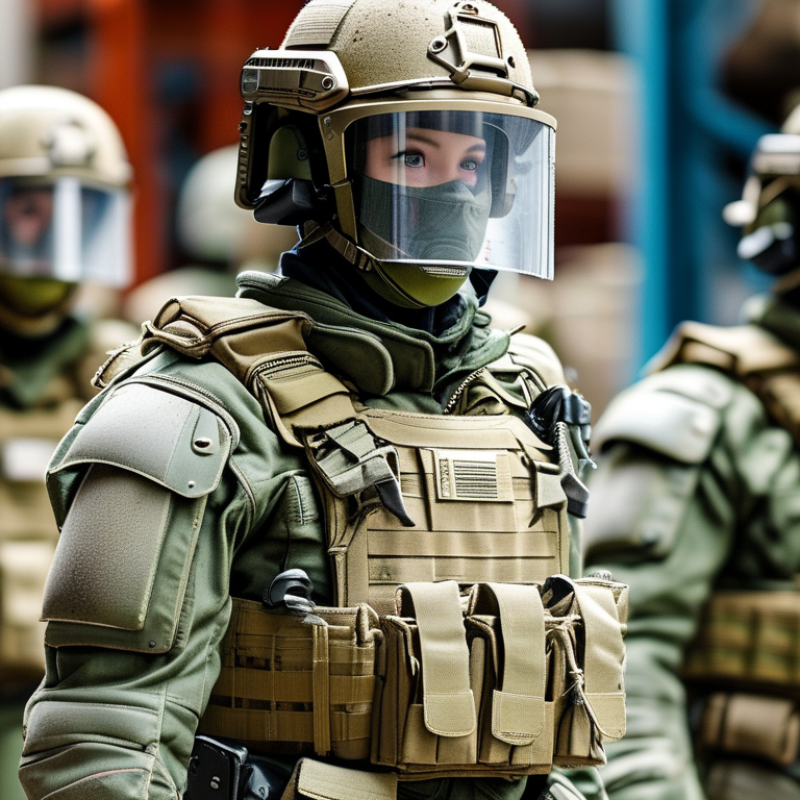
Army anti-riot suits are protective systems designed for authorized personnel facing crowd-related hazards. They usually combine impact-resistant panels, helmets, visors, gloves, shields, and reinforced leg protection. Their purpose is defensive, not aggressive. A well-designed suit helps reduce injuries from thrown objects, accidental falls, smoke exposure, and close-contact pressure. It also supports controlled movement during lawful public-safety operations. The wearer still needs training, communication, and medical support. Equipment alone cannot manage a tense crowd.
Protection levels vary by material, coverage, ventilation, and mobility. In practical assessments, poor sizing often causes more problems than weak materials. A loose knee guard may shift during movement. A fogged visor can reduce awareness within seconds. No suit is perfect. Buyers should request test documents, inspection records, and clear maintenance guidance. They should also confirm local regulations, approved use, climate conditions, and compatibility with existing protective equipment. Ethical procurement matters, especially when equipment may affect public trust.
Tips: Check fit with full clothing layers. Test walking, kneeling, and communication before purchase. Inspect seams, fasteners, and visor clarity regularly. Train users in de-escalation and safe removal procedures. Replace damaged components promptly. A lighter suit may improve mobility, but reduced coverage can create trade-offs. Review those compromises with trained safety professionals.
Top 10 Types of Army Anti Riot Suits for Global Buyers - Definition and Purpose of Army Anti-Riot Suits
Army anti-riot suits are protective clothing systems designed to reduce injury from blunt impact, abrasion, thrown objects, heat, and selected operational hazards during public-order or civil-disturbance missions. Protection levels, materials, coverage, and certification requirements vary by jurisdiction and should be verified against the intended operational environment.
| No. | Suit Type | Definition and Typical Configuration | Primary Purpose | Typical Components | Main Protection | Buyer Considerations and Limitations |
|---|---|---|---|---|---|---|
| 1 | Standard Modular Anti-Riot Suit | A general-purpose suit using separate padded panels for the torso, shoulders, elbows, forearms, thighs, knees, and shins. Components are normally connected with straps, hook-and-loop fasteners, or adjustable closures. | Routine public-order deployment where personnel need balanced protection, mobility, and quick equipment replacement. | Padded jacket or vest, arm guards, thigh guards, knee and shin protectors, gloves, and compatible helmet system. | Blunt impacts, abrasion, minor projectiles, and contact with hard surfaces. | A practical baseline option, but coverage depends on the design. It is not automatically chemical-, flame-, or ballistic-protective. |
| 2 | Full-Coverage Heavy-Duty Riot Suit | A more extensive protective ensemble with overlapping hard or semi-rigid guards covering most of the torso and limbs, often incorporating reinforced joints and closures. | High-risk crowd-control operations involving repeated physical contact, coordinated pushing, or a greater likelihood of thrown objects. | Reinforced torso carrier, shoulder and arm armor, groin protection, thigh panels, articulated knee guards, shin guards, gloves, and helmet. | Enhanced impact, abrasion, and penetration resistance compared with lightweight configurations. | Greater weight and heat retention can reduce endurance. Rigid panels may restrict running, climbing, or vehicle access. |
| 3 | Lightweight Mobility Anti-Riot Suit | A reduced-weight system that combines abrasion-resistant fabric with low-profile padding and strategically placed protective inserts. | Long-duration patrols, rapid movement, crowd monitoring, and situations where agility is more important than maximum coverage. | Breathable base garment, low-profile torso padding, elbow and knee protectors, lightweight shin guards, gloves, and helmet. | Abrasion, falls, light blunt impact, and limited contact hazards. | Usually provides less coverage and impact absorption than heavy-duty suits. Insert compatibility and secure retention should be checked. |
| 4 | Flame-Resistant Anti-Riot Suit | A riot-protection system made with inherently flame-resistant or treated fabrics, commonly combined with impact pads and heat-resistant accessories. | Operations where smoke, burning materials, incendiary hazards, or short-duration flame exposure may occur. | Flame-resistant outer garment, impact armor, heat-resistant gloves, hood or neck protection, and helmet with face shield. | Reduced ignition and limited flame-spread risk when the fabric is correctly certified and maintained. | Flame resistance does not equal fireproofing. Certification, exposure duration, garment cleanliness, and replacement intervals are important. |
| 5 | Chemical-Resistant Riot Ensemble | A protective clothing configuration using chemical-resistant outer layers, sealed interfaces, and compatible gloves, boots, and respiratory equipment. | Reducing skin and clothing contamination during incidents involving irritant agents, unknown liquids, or hazardous residues. | Chemical-resistant coverall or over-garment, sealed hood, gloves, boots, face protection, and separately selected respiratory protection. | Limited protection against specified chemicals or liquid splashes, depending on tested material and seam construction. | No single suit protects against every chemical. Buyers must match test data to the exact substance, concentration, exposure route, and mission duration. |
| 6 | Riot-Control-Agent Resistant Suit | A specialized ensemble designed to reduce penetration and retention of selected riot-control agents through the garment, particularly when used with sealed accessories. | Personnel operating in areas where airborne or surface residues from approved riot-control agents may be present. | Low-permeability outer layer, hood, gloves, boots, eye protection, and an appropriate respirator selected separately. | Reduced skin exposure and contamination from specifically tested agents. | Garment protection does not replace respiratory protection. Permeation, leakage, decontamination, and service-life data must be reviewed. |
| 7 | Hot-Climate Ventilated Riot Suit | A riot suit optimized for heat management through breathable fabrics, ventilation zones, moisture-wicking layers, and lighter protective components. | Public-order missions in tropical, desert, or high-temperature environments where heat stress is a major operational risk. | Moisture-wicking base layer, ventilated carrier, perforated or spaced padding, lightweight guards, gloves, and helmet with airflow features. | Basic impact and abrasion protection with improved ventilation and moisture management. | Ventilation can reduce weather resistance. Adequate hydration, rest cycles, and compatibility with communications equipment remain necessary. |
| 8 | Cold-Weather Insulated Riot Suit | A layered protective system incorporating insulation, wind and water resistance, and impact protection for cold or wet conditions. | Maintaining protection and dexterity during winter deployments, prolonged outdoor operations, or cold-weather crowd management. | Insulated underlayer, weather-resistant outer shell, impact guards, insulated gloves, boot system, neck protection, and helmet. | Cold, wind, precipitation, abrasion, and general blunt impact hazards. | Bulkier layers may affect mobility and equipment fit. Moisture management and sizing over winter clothing should be tested before procurement. |
| 9 | Water- and Weather-Resistant Riot Suit | An ensemble using coated or laminated outer fabrics, protected seams, and corrosion-resistant hardware to maintain function in rain and wet conditions. | Outdoor deployments in heavy rain, wet urban environments, or operations requiring extended exposure to changing weather. | Water-resistant outer layer, sealed or protected closures, impact armor, gloves, waterproof footwear, and helmet cover or visor. | Rain, wind, wet surfaces, abrasion, and routine impact hazards. | Water resistance is not the same as chemical resistance or complete waterproofing. Coatings and seam seals can deteriorate with wear and cleaning. |
| 10 | Mission-Configurable Modular Suit | A scalable system built around a common carrier or garment, allowing users to add or remove impact panels, groin protection, pouches, shields, and environmental layers. | Organizations with varied mission profiles, multiple climates, or a need to standardize equipment while adapting protection to threat levels. | Base carrier, interchangeable armor panels, limb guards, protective apron, gloves, helmet, communications routing, and optional weather or chemical layers. | Configurable impact, abrasion, environmental, and limited hazard protection according to the selected modules. | Interchangeability must be verified across sizes and components. Incorrect assembly can create gaps, snag hazards, or reduced mobility. |