Blog
Top Hand Tools Suppliers for Global Buyers
Choosing the right Hand Tools supplier affects safety, productivity, and long-term purchasing costs. Global buyers now expect more than competitive pricing. They need consistent quality, verified materials, reliable delivery, and clear after-sales support.
Industry forecasts show continued market growth. Grand View Research estimates the global hand tools market will expand steadily through 2030, supported by construction, automotive repair, and home improvement demand. Global Market Insights also identifies professional maintenance and infrastructure development as important growth drivers. However, market estimates vary between research firms. That difference deserves attention. Buyers should compare definitions, regions, and product categories before trusting a headline figure.
A strong supplier should provide traceable production records, inspection procedures, and relevant test documentation. For torque tools, ISO 6789 offers a recognized framework for calibration and performance testing. ASTM standards can also help evaluate specific tool materials and applications. Certifications alone are not enough. A factory visit, sample inspection, or independent laboratory test may reveal more than a polished brochure.
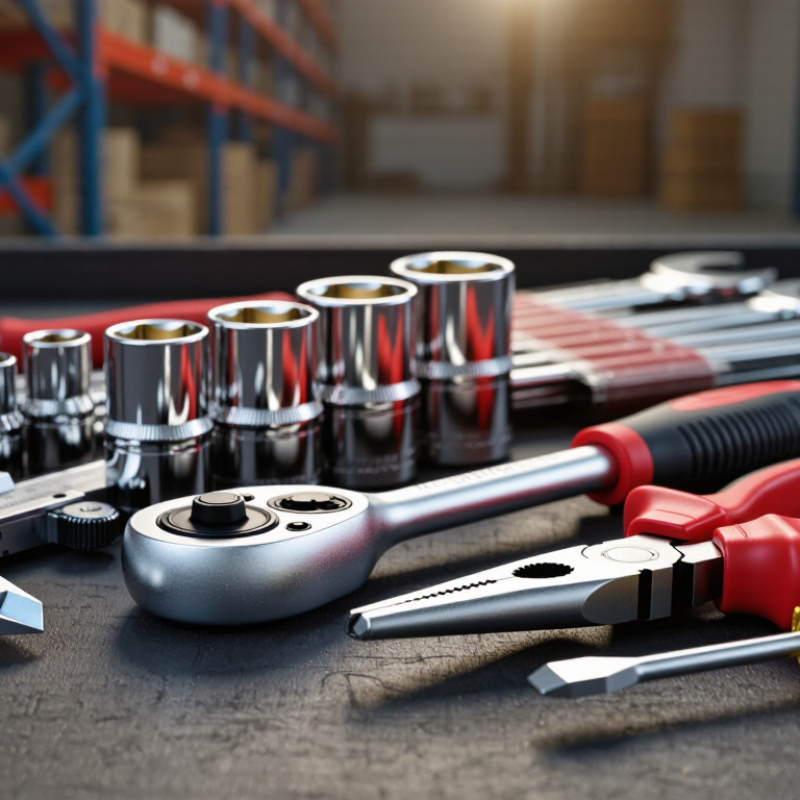
Small details matter. A ratchet should operate smoothly after repeated cycles. Pliers should close evenly, without rough jaw alignment. Handles should remain comfortable after hours of use. Packaging should protect chrome surfaces from moisture during ocean transport.
The suppliers featured in this guide are assessed through product range, manufacturing experience, quality systems, customization capability, export performance, and communication reliability. No supplier is perfect. Buyers should still request current certificates, sample orders, warranty terms, and production lead times before signing contracts. That practical caution can prevent expensive surprises.
Understanding the Global Hand Tools Supplier Landscape
Top Hand Tools Suppliers for Global Buyers
Understanding the Global Hand Tools Supplier Landscape
The global hand tools market includes manufacturers, trading companies, regional distributors, and specialized contract producers. Each supplier type serves different purchasing needs. Manufacturers often provide stronger production control and customization. Trading companies may offer broader product ranges and flexible order quantities. Distributors can support faster delivery in nearby markets.
Experienced buyers examine more than catalog photographs. They check steel grades, heat-treatment methods, surface finishing, and handle durability. Factory audits can reveal production capacity, inspection routines, and worker training. Reliable suppliers should provide clear test reports and traceable batch information. These details matter when tools face repeated workshop use.
Communication also shapes supplier performance. Confirming dimensions, packaging, labeling, and delivery terms prevents costly misunderstandings. Lead times may change during peak seasons or material shortages. A low quotation can hide weak inspection systems or expensive replacement claims. I have seen buyers focus too heavily on unit price. That approach often ignores inconsistent tolerances and delayed responses. It deserves rethinking.
Global sourcing requires cultural and technical patience. Specifications should use measurable values, not vague terms such as “premium quality.” Buyers should request samples before approving larger orders. Small sample checks can expose loose joints, uneven coatings, or uncomfortable grips. Supplier evaluations should be updated after every shipment, because performance can change over time.
Key Criteria for Evaluating Hand Tools Suppliers
Top Hand Tools Suppliers for Global Buyers
Key Criteria for Evaluating Hand Tools Suppliers
Reliable supplier evaluation begins with product evidence, not attractive catalogs. Request material specifications, hardness ranges, dimensional tolerances, and test records for each tool. Practical samples matter. Inspect grip comfort, jaw alignment, surface finish, and markings under normal workshop conditions. A polished sample can still hide inconsistent production quality.
Assess the supplier’s manufacturing experience and quality system carefully. Review factory capacity, inspection stages, calibration records, and defect-handling procedures. Ask how workers control forging, machining, heat treatment, and final assembly. Confirm whether production records support batch traceability. Independent audits can add confidence, but they should not replace your own sample testing. No checklist is perfect.
Communication also reveals operational reliability. Compare response times, technical clarity, minimum order quantities, lead times, packaging methods, and spare-part support. A dependable supplier explains problems early and offers measurable corrective actions. Request references from comparable buyers when possible. Verify compliance with applicable safety and import requirements for your target markets. Price deserves attention, but a low quotation may conceal weak inspection, unstable materials, or costly delays. My own evaluation would remain cautious when documents look complete but answers stay vague. Ask again. Precision builds trust.
Leading Supplier Categories and Regional Strengths
Global hand tool suppliers usually fall into three categories: manufacturers, industrial distributors, and sourcing companies. Manufacturers offer stronger control over steel grades, heat treatment, and production costs. Distributors provide broader inventories and faster regional delivery. Sourcing companies can connect buyers with smaller workshops, although quality control may require more effort.
Regional strengths differ in practical ways. East Asian suppliers often support high-volume orders, private specifications, and flexible packaging. European suppliers are commonly valued for precise machining, documented testing, and consistent process control. North American suppliers often handle industrial kits, professional maintenance tools, and customized distribution programs. South Asian suppliers may offer competitive labor costs and flexible production for selected tool ranges. These patterns help narrow a search, but they are not guarantees.
A reliable evaluation should examine more than price. Request material certificates, sample measurements, load-test records, and production photos. Check whether the supplier can trace batch numbers from raw steel to packed cartons. Packaging also matters; loose tools can arrive scratched, damp, or incomplete. Ask about replacement procedures before placing a large order. A low quotation may hide weak inspection or expensive rework. That risk is easy to underestimate. Regional assumptions can also mislead buyers. A smaller supplier may outperform a larger factory when communication, sampling, and corrective action are closely managed. Suppliers should be compared through evidence, not polished presentations.
Comparing Product Quality, Pricing, and Certifications
Top Hand Tools Suppliers for Global Buyers
Comparing Product Quality, Pricing, and Certifications
Global buyers often compare hand tools by unit price, yet field performance reveals more. In my supplier audits, I check jaw alignment, handle grip, plating consistency, and hinge movement. A wrench should close evenly without visible gaps. A screwdriver needs a centered tip and a shaft that resists twisting. Ask for production samples, not only catalog images. Small defects become costly during packing, assembly, or service work.
Pricing deserves a wider calculation. Quote the tool, packaging, inspection, freight terms, and replacement policy separately. A low offer may hide thin steel, unstable heat treatment, or inconsistent dimensions. Request test reports that identify hardness, load capacity, corrosion resistance, and sampling methods. Independent inspections add cost, but they can expose problems before shipment. I once treated a modest price difference as unimportant; later rework consumed far more time. That decision still needs questioning.
Certifications can support trust, but certificates require careful verification. Check the issuing body, scope, validity dates, and matching factory address. Quality systems such as ISO 9001 indicate process control, not perfect tools. Product-specific standards may matter more for insulated or high-load tools. Ask whether testing covers the exact model and material grade. Suppliers that share traceable batch records, calibration logs, and corrective-action reports show stronger operational maturity. Some documents look impressive. They may still lack useful evidence.
Choosing the Right Supplier for International Procurement
International hand tool procurement depends on supplier selection, not only product price. A reliable supplier should provide clear specifications, material grades, hardness ranges, dimensions, and weight tolerances. Ask for recent inspection records and production samples before approving a large order. A polished catalog can still hide inconsistent finishing or weak packaging.
Check whether the supplier understands export packing, lead times, documentation, and destination requirements. Confirm carton measurements, pallet limits, labeling details, and replacement procedures in writing. Communication speed matters, but technical accuracy matters more. During evaluation, compare sample performance with the stated specifications. Test grip comfort, jaw alignment, coating adhesion, and corrosion resistance. Small defects become expensive when repeated across thousands of pieces.
Tips: Request a sample set. Use the same test method for every supplier. Ask how they handle failed inspections. Review payment terms carefully. Keep records of every revision. Do not rely on promises made only in messages. A video factory tour may help, but it is not proof of production consistency. Third-party inspection can reduce uncertainty, although it adds cost and may not detect every problem. No checklist is perfect. Procurement teams should revisit supplier performance after each shipment, including damage rates, delivery accuracy, and customer complaints. A supplier who accepts measured feedback is often more dependable than one offering the lowest quote.
Related Posts
-
Unveiling the Impact of Tools Hand Tools at the Record Breaking 137th Canton Fair in Guangzhou
-

What Are the 2026 Best Hand Tools for Global Buyers?
-
7 Innovative Uses of Hand Tools in Modern Industries: 5 Reasons They’re Essential for Every Workshop
-

Mastering Hand Tools: A Comprehensive Guide to Elevate Your DIY Skills
-
Elevating Quality with Chinese Made Home Hand Tools for Global Buyers
-
Benefits of Choosing the Right Hand Tools for Your DIY Projects