Top SMT PCB Assembly Solutions for Global Buyers?
In the rapidly evolving electronics industry, SMT PCB Assembly has emerged as a critical process for manufacturers worldwide. According to a report by MarketsandMarkets, the global SMT market was valued at over $5 billion in 2022 and is projected to grow at a CAGR of 5.5% through 2027. This growth indicates a rising demand for effective assembly solutions, especially as smarter devices become commonplace.
Choosing the right SMT PCB Assembly partner can significantly impact production efficiency and reliability. The complexity of modern electronic designs requires advanced assembly capabilities. Studies show that 70% of manufacturers prioritize precision and cost-effectiveness in their selection. Yet, while many suppliers offer competitive services, not all meet the high standards expected in this competitive landscape.
This trend emphasizes the need for buyers to conduct thorough evaluations of potential suppliers. Do they have a proven track record in quality assurance? Are their processes scalable to meet fluctuating demands? Reflections on these questions can guide businesses toward making informed decisions that align with their strategic goals. SMT PCB Assembly is not just about soldering components; it’s about building lasting partnerships that drive innovation forward.
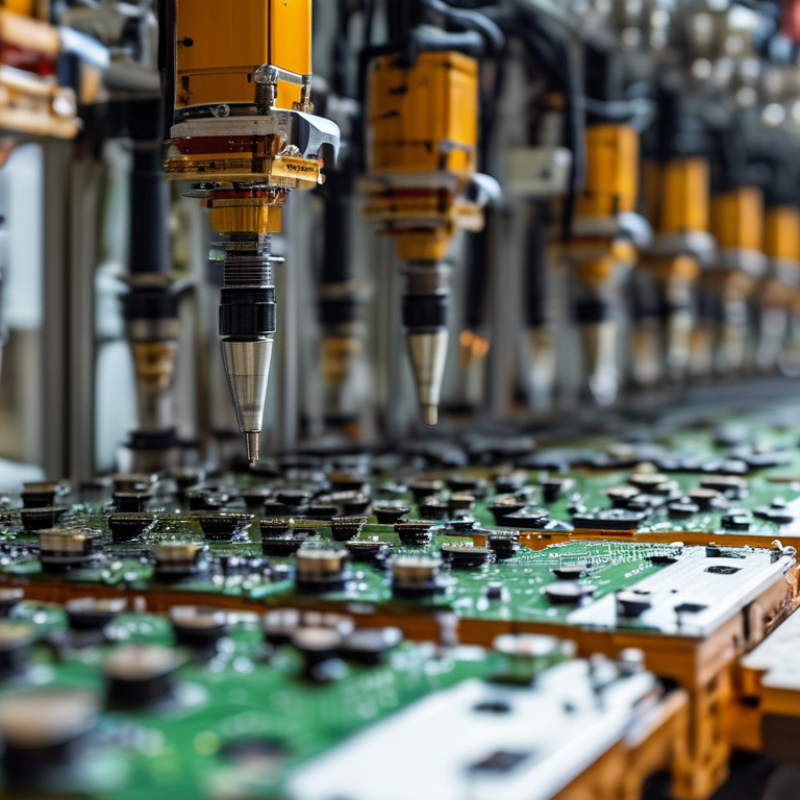
Top SMT PCB Assembly Solutions Overview
In the realm of SMT PCB assembly, several solutions cater to global buyers. Effective assembly processes enhance product quality while maintaining efficiency. Various techniques ensure precise component placement. Understanding these methods is essential for making informed decisions.
One popular technique is the use of automated pick-and-place machines. They streamline the assembly process, reducing human error. However, not all machines are created equal, and the right choice depends on specific needs. Some buyers overlook maintenance aspects, leading to unexpected downtimes. Regular servicing is crucial for longevity and performance.
Choosing the right soldering method also plays a vital role. Reflow soldering is commonly used, but wave soldering offers advantages in certain applications. Buyers should evaluate their production lines carefully. Customization and adaptability often determine success.
**Tips:** Always ask for detailed service history from your provider. Stay updated on industry trends. Regularly review your assembly process for optimizations. Small tweaks can lead to significant improvements over time.
Key Factors Influencing SMT PCB Assembly Selection
When selecting SMT PCB assembly solutions, several key factors come into play. Quality assurance is paramount. Buyers must consider the manufacturer's certifications and processes. A robust quality management system ensures that products meet specific standards. Look for companies that emphasize testing and inspection.
Another important factor is production capability. Evaluate whether the provider can scale according to your needs. Flexibility in manufacturing is crucial. Some projects may require rapid prototyping, while others need large batches. Not all assembly services are equipped to handle both efficiently.
Tips: Always request sample assemblies. This step helps assess quality firsthand. Understand the lead times for production. Slow turnaround may affect your project schedule.
Technical expertise is also vital. Collaborating with providers having deep knowledge of the latest technologies can enhance your project outcome. Ask about their experience with similar projects. Ensure they understand your specific requirements.
Tips: Maintain clear communication throughout the process. Misunderstandings can lead to delays and quality issues. Establish a reliable channel for feedback and updates.
Leading Global SMT PCB Assembly Providers
The landscape of SMT PCB assembly is vital for global supply chains. An estimated 60% of manufacturers seek reliable partnerships. Demand for high-quality assembly solutions continues to rise. Industry reports suggest that the global SMT market is projected to reach $2 billion by 2025. This growth underscores the importance of choosing the right provider.
Leading global providers focus on advanced technology and consistent quality. They employ automated processes, which significantly reduce errors. A report from the IPC states that automation can improve efficiency by up to 30%. However, not all providers maintain these standards. Several companies struggle with adapting to rapid technological changes, which can affect production quality.
In the quest for excellence, buyers must examine the expertise of potential partners. Lesser-known providers may offer competitive pricing but often lack experience. A thorough evaluation of their capabilities is crucial. Data shows that partnerships with established providers yield better long-term results. Buyers should aim for those with proven track records and certifications.
Emerging Trends in SMT PCB Assembly Technology
Emerging trends in Surface Mount Technology (SMT) PCB assembly are reshaping the industry. The global PCB assembly market is projected to grow at a compound annual growth rate (CAGR) of 4.6% from 2023 to 2030, according to a recent market research report. This growth is largely driven by advancements in automation and the increasing complexity of electronic devices.
One key trend is the integration of AI and machine learning in PCB assembly processes. These technologies enhance productivity and reduce errors. Automated optical inspection (AOI) equipped with AI can identify defects more reliably. Yet, adoption has been slow for some manufacturers due to costs and technological gaps. Investing in training is crucial as workforce skills catch up with these advancements.
Tip: Embrace modular assembly techniques to adapt quickly to changing designs. This flexibility is vital as market demands shift rapidly. Implementing agile methodologies can streamline production while maintaining quality.
Another emerging trend is the shift towards eco-friendly materials. Sustainability in PCB design is more than just a buzzword. Reports indicate that over 50% of manufacturers are seeking to reduce their ecological footprint. While sustainable materials may initially be more expensive, the long-term benefits outweigh these concerns. Companies are encouraged to assess their supply chains to incorporate greener options effectively.
Tip: Regularly review your assembly processes for waste reduction opportunities. Continuous improvement can lead to both cost savings and enhanced sustainability.
Best Practices for Engaging SMT PCB Assemblers
Engaging with Surface Mount Technology (SMT) PCB assemblers requires a nuanced understanding of market dynamics. According to industry reports, the global PCB assembly market is projected to reach $81.59 billion by 2027. This underscores the importance of selecting the right partners in this competitive landscape. One crucial aspect is assessing an assembler's capabilities, which often include their technology, equipment, and process maturity.
When collaborating with SMT PCB assemblers, focus on establishing clear communication. Set expectations around quality, delivery timelines, and design requirements. Research indicates that 70% of manufacturing delays stem from misunderstandings during design handoffs. Be proactive in sharing your design files and specifications. This helps minimize errors and ensures a smoother production process.
Tips: Regularly review performance metrics. This can involve yield rates and defect densities. Consider setting up periodic reviews to align on project goals. Additionally, ask for samples before committing to large volumes. This allows for testing and necessary adjustments. Reflect on your own needs, as engaging the wrong assembler can lead to costly mistakes. Aim for partnerships that offer transparency and support throughout the manufacturing journey.
Top SMT PCB Assembly Solutions for Global Buyers
| Criteria | Best Practices | Benefits |
| Quality Assurance | Implement rigorous testing processes | Reduces defects and increases customer satisfaction |
| Production Efficiency | Utilize automated assembly lines | Shortens time-to-market and reduces labor costs |
| Supplier Collaboration | Engage in regular communication with suppliers | Improves material availability and cost management |
| Technology Integration | Adopt advanced manufacturing technologies | Enhances production capabilities and flexibility |
| Cost Management | Conduct thorough cost analysis | Helps in making informed pricing decisions |
